


TL;DR
A defect sorting service is a critical quality control process where inspectors examine 100% of a product batch to identify and segregate items with flaws. This operation typically occurs after production and before shipment. The core process involves establishing clear defect criteria, physically sorting the goods to separate acceptable products from faulty ones, and providing detailed reports. The ultimate goal is to ensure only products meeting quality standards reach the customer, thereby protecting brand reputation and reducing the high costs associated with returns and recalls.
What is a Defect Sorting Service?
A defect sorting service is a professional quality control solution designed to meticulously inspect products at a crucial stage—typically after manufacturing is complete but before the goods are shipped to customers. Its primary purpose is to perform a 100% inspection on a batch of products to identify, count, and separate any items that do not meet predefined quality standards. This ensures that defective goods are quarantined and prevented from entering the supply chain, safeguarding both the end consumer and the brand’s integrity.
This service becomes essential in several scenarios. It is often employed when a standard pre-shipment inspection, which uses statistical sampling (AQL), has failed. It’s also a vital tool for high-value products where the cost of a single defect is significant, or when a known quality issue has been identified and the entire production run needs to be verified. By segregating the faulty items, companies can decide whether to rework them, discard them, or negotiate with the supplier, thus maintaining control over their inventory quality.
The importance of defect sorting for manufacturers and Original Equipment Manufacturers (OEMs) cannot be overstated. In today’s competitive market, shipping faulty products can lead to significant financial losses from returns, warranty claims, and potential recalls. Furthermore, it can cause irreparable damage to a brand’s reputation, which takes years to build but can be destroyed by a single bad batch of products. A defect sorting service acts as a final, crucial line of defense, ensuring that customer expectations for quality are consistently met.
The Step-by-Step Defect Sorting Process
Understanding how a defect sorting service works involves breaking it down into a series of structured, logical steps. This meticulous process ensures that nothing is left to chance and that the client receives a clear, comprehensive overview of their product quality before it ships.
1. Establishing Defect Criteria and Scope
The process begins with clear communication between the client and the inspection company. The client must provide detailed information, including a precise definition of what constitutes a defect. This includes specifications, conformity samples, and a checklist outlining all potential issues, from cosmetic flaws to functional failures. The inspection team needs to know exactly what they are looking for, whether it’s a single known issue or a full conformity check against all criteria. This foundational step ensures that the sorting is objective and aligned with the client’s quality standards.
2. On-Site Inspection and 100% Sorting
Once the criteria are set, a team of trained inspectors visits the factory or warehouse where the products are located. Unlike random sampling, this is a 100% inspection, meaning every single unit in the batch is physically examined. Inspectors use a variety of methods, including visual checks for surface flaws, gauging for dimensional accuracy, and functional testing to ensure the product works as intended. For businesses sourcing internationally, having a trusted partner on the ground is invaluable. Services like comprehensive factory audits and pre-shipment inspections from a reliable provider ensure your products meet exact specifications. For those sourcing from China, a partner like China Quality Inspection can act as your eyes in the factory, securing your supply chain.
3. Segregation, Rework, and Reporting
As inspectors identify defective items, they are immediately segregated from the acceptable products. These quarantined goods are clearly marked and counted. Depending on the nature of the defects and the client’s instructions, some of these items may be eligible for rework—a process where the factory corrects the flaws. Throughout the process, the inspection team maintains a detailed record of their findings. The final report provides a complete breakdown of the results, including the total number of units inspected, the quantity of good and defective products, and a detailed classification of the types of defects found. This data is crucial for making informed decisions about the shipment and for future process improvements with the supplier.
Categorizing Defects: From Critical to Minor
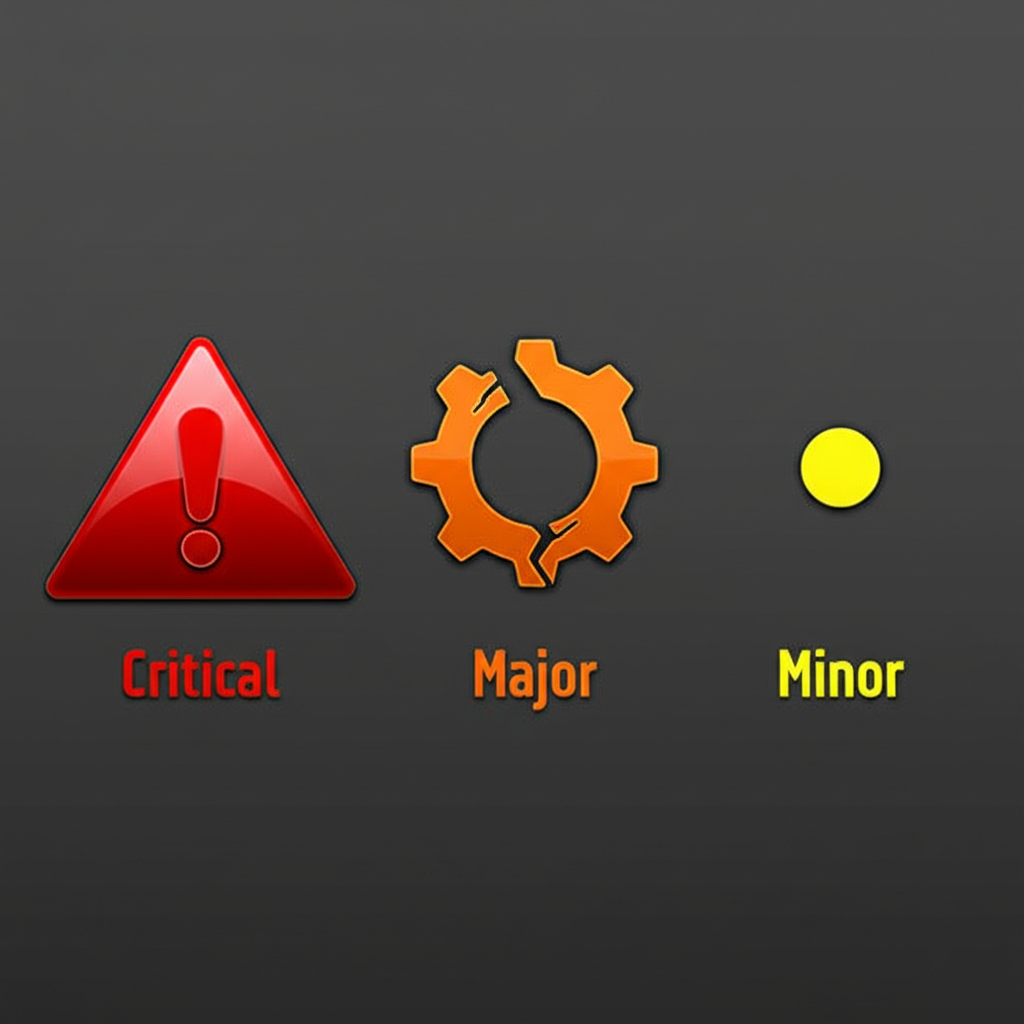
A crucial aspect of the defect sorting process is the classification of defects based on their severity. This categorization helps businesses prioritize issues and make informed decisions about whether to accept or reject a shipment. Quality control professionals typically group defects into three main types.
- Critical Defects: These are the most serious flaws and often pose a safety hazard to the end-user. A critical defect renders a product unsafe or non-compliant with regulations. Examples include a sharp edge on a toy, damaged wiring on an electronic device, or a needle left in a garment. Most companies have a zero-tolerance policy for critical defects, meaning a single instance can cause the entire batch to fail inspection.
- Major Defects: These defects are significant enough to impact the product’s function, performance, or appearance, making it likely that a customer would return it. A major defect means the product deviates significantly from the buyer’s specifications. Examples include missing stitches on clothing that affect seam strength, a deep scratch on a company logo, or a device that fails to power on.
- Minor Defects: These are small, often cosmetic issues that do not affect the product’s function or form. In most cases, a customer might not even notice a minor defect. Examples include an untrimmed thread on a shirt, a small abrasion on a non-visible surface, or a removable mark from excess glue. While a few minor defects may be acceptable, an excessive number can still result in a failed inspection.
By using a clear defect classification system, often documented in a QC checklist, importers can set clear expectations with their suppliers and ensure that inspectors apply a consistent standard. This systematic approach is fundamental to managing product quality effectively.
The Business Impact: Key Benefits of Defect Sorting
Investing in a defect sorting service provides tangible benefits that directly impact a company’s bottom line and long-term success. While it may seem like an added expense, the return on investment becomes clear when compared to the high costs associated with poor quality control.
First and foremost, it protects brand reputation. Every product that reaches a customer is a reflection of the brand. Shipping high-quality, defect-free goods builds consumer trust and loyalty. Conversely, a single shipment of faulty products can lead to negative reviews and public relations crises that can take years to overcome. Defect sorting acts as a powerful tool to ensure only the best products represent your brand in the market.
Second, it delivers significant cost savings. The costs of dealing with defective products after they have been shipped are substantial. These include expenses related to freight for returns, customer service overhead, warranty claims, and potential product recalls. By identifying and handling defects at the source—before they leave the factory—companies can avoid these cascading costs. Reworking or replacing items domestically is far more cost-effective than managing international returns.
Finally, it improves supplier relationships and process control. The detailed reports generated from a defect sorting service provide clear, objective data on quality issues. This documentation can be used to hold suppliers accountable and work with them to identify the root causes of defects. Over time, this collaborative approach can lead to improved manufacturing processes, reducing the rate of defects in future production runs and strengthening the entire supply chain.
Ensuring Quality Before It Leaves the Factory
Ultimately, a defect sorting service is more than just a simple inspection; it’s a strategic investment in quality assurance. By moving from a reactive stance of dealing with customer complaints to a proactive approach of catching flaws at the source, businesses can secure a significant competitive advantage. This meticulous, 100% review process provides the certainty that statistical sampling cannot, especially when quality is paramount.
The core value lies in its ability to provide clear, actionable data. Knowing the exact number and type of defects in a batch empowers companies to make sound financial decisions, protect their hard-earned brand reputation, and foster stronger, more accountable relationships with their suppliers. In a global marketplace where customer expectations are higher than ever, ensuring product quality before shipment is not a luxury—it is an essential business practice.
Frequently Asked Questions
1. How do you categorize defects?
Defects are typically categorized into three levels of severity to determine their impact. Critical defects are the most serious, posing safety risks to users (e.g., exposed wiring). Major defects significantly affect the product’s function or appearance and would likely cause a customer return (e.g., a non-working electronic device). Minor defects are small, cosmetic issues that don’t impact usability (e.g., a tiny scratch). This classification helps determine whether a product batch passes or fails inspection.
2. What is the defect prioritization process?
Defect prioritization is a related but distinct concept, most commonly used in software development. It involves ranking known defects or bugs to decide the order in which they will be fixed based on factors like severity, business impact, and development resources. In manufacturing physical goods, the more common practice is defect categorization (critical, major, minor) during an inspection to make a simple pass/fail decision on a batch, rather than prioritizing a list of fixes for a single complex product.

