


TL;DR
Successfully navigating communication challenges with Chinese factories requires more than just translation. It demands a deep understanding of cultural differences in hierarchy and communication styles. The key is to implement clear, highly-detailed communication strategies, use visual aids, and adapt to cultural norms like indirect feedback and relationship-building to foster strong, productive partnerships.
Understanding the Core Barriers: Language and Cultural Nuances
When partnering with Chinese manufacturers, many Western businesses focus solely on the obvious language gap. While mastering Mandarin or Cantonese is a significant advantage, the most profound challenges often stem from deeper cultural undercurrents that shape business interactions. Effective communication hinges on recognizing and navigating both of these intertwined barriers: the linguistic and the cultural.
The language barrier is the most immediate hurdle. Even when factory representatives speak English, their proficiency can vary, especially with complex technical terms or industry-specific jargon. Simple misunderstandings in translation can lead to incorrect specifications, production errors, and costly delays. As noted by experts at East West Basics, the first step is always to clarify the preferred language and mode of communication, and if necessary, engage a professional translator to ensure precision in critical documents like quotes and quality checklists.
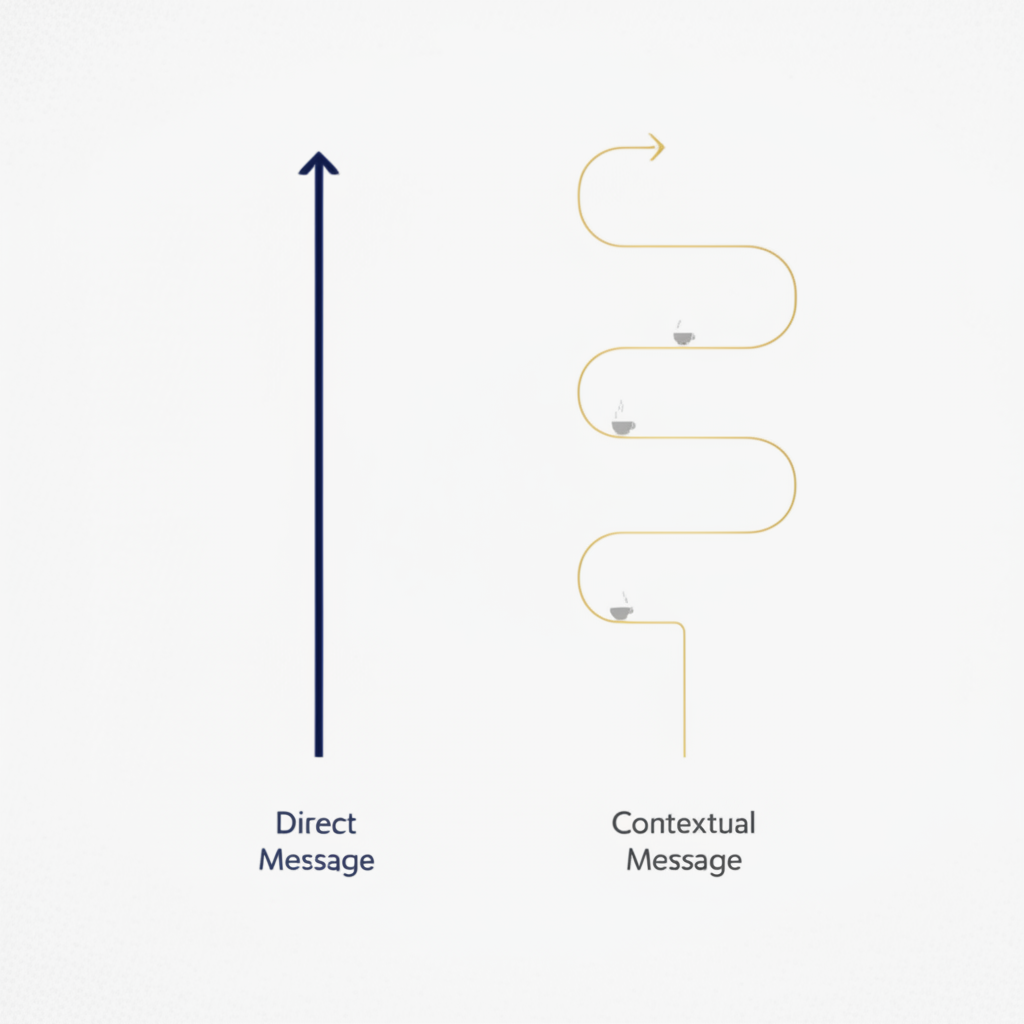
Beyond words, however, lies the more complex challenge of cultural nuances. Chinese business culture is often described as high-context, where messages are conveyed implicitly and rely heavily on non-verbal cues, shared understanding, and the relationship between parties. This is a stark contrast to the low-context, direct style prevalent in many Western countries, where meaning is stated explicitly. As highlighted in a guide by the EU SME Centre, what is left unsaid can be just as important as what is said, a concept that can be perplexing for those accustomed to straightforward communication.
Navigating Key Cultural Concepts in Chinese Business
To truly bridge the communication gap, one must understand the foundational cultural concepts that influence decision-making, feedback, and relationship-building in China. These principles are not just traditions; they are active components of the modern business environment. Adapting to them is not merely polite—it is a strategic necessity for success.
The Role of Hierarchy
Chinese business culture is distinctly hierarchical, a structure that commands deep respect for authority and seniority. As explained by PTL Group, decision-making power is concentrated at the top, and employees are expected to defer to their superiors. A common mistake Western companies make is sending junior-level technical experts to meetings alone. Their Chinese counterparts may not be empowered to make decisions without a manager of equivalent rank present, leading to significant delays. To ensure progress, it’s crucial to match the seniority of representatives in any negotiation.
Decoding High-Context Communication and ‘Face’
As a high-context culture, communication is often indirect to maintain harmony and preserve ‘face’ (面子, miànzi), which refers to a person’s reputation, dignity, and prestige. Directly saying ‘no’ or offering blunt criticism can cause embarrassment and damage a relationship. Instead, feedback is often phrased as a suggestion, such as ‘Perhaps we could consider another way.’ For Westerners, this can be misinterpreted as non-committal or vague. Learning to read between the lines and providing feedback privately and diplomatically is essential for productive collaboration.
Building Trust Through ‘Guanxi’
In the West, trust is often task-based—built on consistent performance and reliability. In China, trust is primarily relationship-based, built through a network of connections known as ‘guanxi’ (关系). This requires a long-term investment in building personal rapport through shared meals, informal conversations, and demonstrating loyalty. A purely transactional approach focused only on business will likely fail to build the deep, resilient partnerships needed to navigate challenges and ensure long-term cooperation.
Actionable Strategies for Clear and Effective Communication
Understanding the cultural landscape is the first step; turning that knowledge into practical action is what drives results. By adopting specific, structured communication methods, you can minimize misunderstandings and build a more efficient partnership with your Chinese factory. These strategies focus on creating clarity and confirming mutual understanding at every stage of the process.
- Be Hyper-Specific and Use Visuals
Never assume a detail is obvious. When submitting a request for quotation (RFQ) or product specifications, be exhaustive. Provide precise measurements, materials, colors, and packaging requirements. Supplement written instructions with visual aids like labeled diagrams, photos, and physical samples. As FeedbackWhiz suggests, a picture with clear labels is far more effective at overcoming language barriers than a block of text.
- Keep Written Language Simple and Direct
When communicating via email, use simple, clear, and concise language. Avoid complex sentences, slang, or idioms that may not translate well. Number your questions or points so your supplier can respond to each one individually. This structured approach makes your messages easier to process through translation software and reduces the chance of key details being overlooked.
- Establish a Clear Quality Control Checklist
Before production begins, collaboratively create a detailed quality control (QC) checklist. This document should serve as a mutual agreement on all product specifications and quality standards. Discussing it upfront gives your manufacturer the opportunity to ask questions and raise concerns, ensuring everyone is aligned on expectations from the start and preventing costly mistakes down the line.
- Confirm a Single Point of Contact
To avoid the ‘telephone game’ where information gets distorted as it passes through multiple people, try to establish a single, primary contact at the factory. Building a strong relationship with one dedicated liaison improves communication efficiency and accountability, ensuring that important details are not lost in translation between departments.
- Leverage On-the-Ground Expertise
If communication remains a significant hurdle, consider engaging a trusted partner in China. A local team can act as your eyes in the factory, performing crucial tasks like factory audits and pre-shipment inspections. This ensures your products meet exact specifications before shipment. You can secure your supply chain and protect your investment by exploring quality control services from firms like China Quality Inspection.
Choosing the Right Communication Channels and Tools
In addition to *what* you communicate, *how* you communicate is equally vital. While email is a standard for formal documentation like purchase orders, day-to-day interactions often happen on platforms more common in China. Being flexible and adapting to your supplier’s preferred tools can dramatically improve response times and the quality of your working relationship.
Traditional methods like phone calls can be useful for resolving urgent or complex issues where email threads have stalled. However, the time zone difference can make this challenging to coordinate. In-person visits, while a significant investment, are unparalleled for building strong ‘guanxi’ and resolving major issues face-to-face.
The Essential Role of WeChat
For daily, informal communication, no tool is more important in China than WeChat (微信, Wēixìn). As noted in business etiquette guides, it is the primary communication platform for both personal and professional life. Many factory managers and sales representatives prefer it for quick questions, sharing photos of samples, and providing real-time updates. Asking your supplier if they prefer to use WeChat shows cultural awareness and a willingness to adapt, which can help build rapport and streamline your entire communication process.
Frequently Asked Questions
1. How do you communicate effectively with Chinese business partners?
Effective communication involves using simple, clear language, providing extensive detail with visual aids, and showing respect for cultural norms. Be patient, avoid direct criticism to help your partners save face, and invest time in building a personal relationship (guanxi). Adapting to their preferred communication tools, like WeChat, is also crucial.
2. What are the main barriers to communication with Chinese factories?
The primary barriers are language differences and cultural nuances. Language barriers include mistranslation of technical terms and varying levels of English proficiency. Cultural barriers are more complex, involving different approaches to hierarchy, the preference for indirect (high-context) communication, the importance of saving face, and the practice of building trust through relationships rather than just performance.
3. How should you give feedback to a Chinese supplier?
Feedback should almost always be given indirectly and in private to avoid causing a loss of face. Instead of stating a problem directly, frame it as a question or a suggestion for improvement. For example, rather than saying ‘This is wrong,’ you might ask, ‘Have you considered if this alternative method might achieve a better result?’ This approach maintains harmony and makes your partner more receptive to making changes.

