

TL;DR
Effective electronics quality control in China is a systematic process combining on-site inspections, factory audits, and laboratory testing to ensure products meet your specifications before shipment. This multi-stage approach is crucial for mitigating risks, preventing costly defects, and protecting your brand’s reputation. A well-defined QC strategy guarantees that the final products are safe, reliable, and compliant with international standards.
Understanding the Fundamentals of Electronics QC
Navigating the manufacturing landscape in China requires a clear understanding of what quality control truly entails. It is not a single action but a comprehensive system of proactive measures designed to ensure product integrity from raw materials to final shipment. For businesses importing electronics, this process is the bedrock of a secure and reliable supply chain. The primary goal is to identify and rectify issues at their source, preventing them from escalating into larger, more expensive problems down the line.
The core of any robust QC program in China can be broken down into three essential pillars. Each serves a distinct but complementary purpose in safeguarding your product’s quality:
- Product Inspections: These are on-site evaluations conducted at various stages of the production cycle. Inspectors physically check a sample of your products against a detailed checklist to verify workmanship, functionality, safety, and adherence to your specifications. This is your most direct method of catching defects on the factory floor.
- Factory Audits: Before placing an order, a factory audit assesses a potential supplier’s capabilities, systems, and ethical compliance. Auditors evaluate the manufacturer’s quality management systems (like ISO 9001), production capacity, and workplace conditions. According to experts at QIMA, this step helps you select a capable and ethical partner, protecting your brand from operational and reputational risks.
- Laboratory Testing: Electronics often require specific testing to ensure they comply with international safety standards and regulations (such as CE, UL, or RoHS). Lab testing verifies material composition, performance, and durability under various conditions, confirming that the product is safe for the end-user and compliant with the legal requirements of your target market.
The Critical Importance of a Robust QC Strategy
Investing in a comprehensive quality control strategy is not merely a preventative measure; it is a fundamental driver of business success and sustainability when manufacturing electronics in China. Without a proper QC plan, importers expose themselves to significant financial and reputational risks. Common issues like faulty components, incorrect assembly, or cosmetic blemishes can lead to product recalls, negative customer reviews, and substantial financial losses. A single batch of defective goods can erode years of brand trust.
A proactive QC strategy transforms these risks into opportunities for improvement and reliability. By identifying potential issues early, you can take corrective actions before they impact the entire production run, saving both time and money. According to an overview by China 2 West, quality control is essential for ensuring products are reliable, safe, and functional, which directly impacts customer satisfaction and loyalty. The benefits are clear and directly address the primary concerns of any importer.
Implementing a structured QC process delivers several key advantages:
- Protects Brand Reputation: Consistently delivering high-quality products builds trust and loyalty with your customers. QC is your first line of defense against faulty products that could damage your brand’s image.
- Ensures Product Safety and Compliance: Electronics are subject to strict safety regulations. A thorough QC process, including lab testing, ensures your products meet these standards, avoiding legal liability and market access issues.
- Reduces Long-Term Costs: Catching defects during production is far less expensive than dealing with them after shipment. QC minimizes costs associated with returns, repairs, and product recalls.
- Improves Supplier Relationships: A clear, documented QC process establishes firm quality expectations with your supplier. This transparency fosters better communication and encourages manufacturers to maintain higher standards throughout production.
Key Stages of Electronics Inspection in China
A successful quality control plan for electronics is not a one-time event but a series of checkpoints integrated throughout the manufacturing lifecycle. Each stage of inspection offers a unique opportunity to identify and resolve potential issues, ensuring that quality standards are maintained from start to finish. This multi-stage approach provides maximum visibility into the production process and significantly reduces the risk of receiving a final shipment that fails to meet your expectations.
Most third-party inspection services, such as those described by Tetra Inspection, structure their services around these critical phases. Understanding when and why each inspection occurs is key to building an effective QC program.
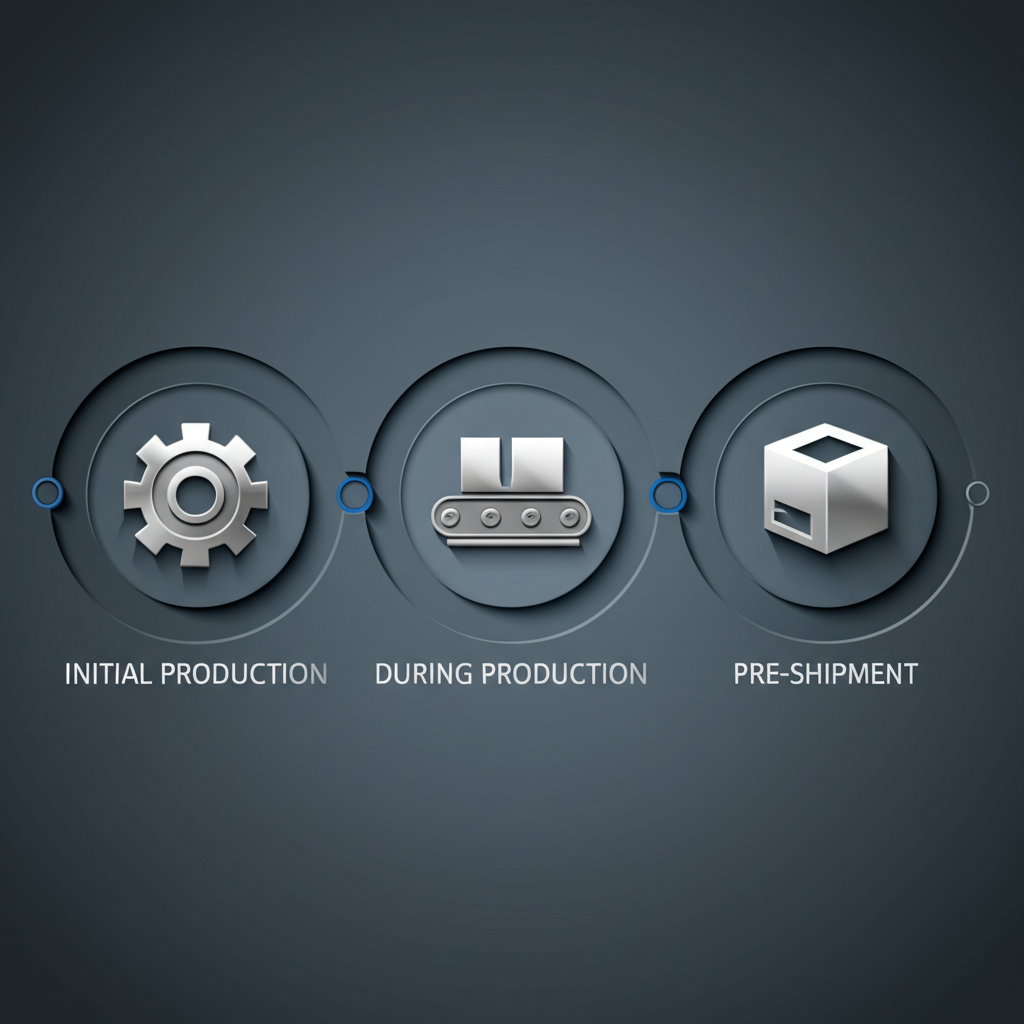
- Initial Production Check (IPC): Conducted before mass production begins (or up to the 20% completion mark), the IPC focuses on the raw materials and components that will be used. Inspectors verify that the materials match your specifications and that the factory’s equipment is properly calibrated for your order. This early check is vital for preventing widespread issues that could originate from substandard materials.
- During Production Inspection (DPI or DUPRO): This inspection takes place when approximately 20-50% of your order has been manufactured. Inspectors visit the production line to check the first finished products against your quality checklist. The DPI is crucial for identifying any deviations or defects in the manufacturing process itself, allowing for corrective actions to be implemented before the entire batch is completed. This proactive step helps avoid costly rework and delays.
- Pre-Shipment Inspection (PSI): The PSI is the most common and arguably the most critical inspection stage. It occurs once 80-100% of the products are manufactured and packaged for shipping. An inspector conducts a final, comprehensive check on a randomly selected sample of units, evaluating everything from functionality and workmanship to packaging and labeling. As highlighted by Pro QC International, a PSI ensures the production conforms to product specifications before the goods are shipped, acting as the final approval gate.
- Container Loading Check (CLC): The final step in the process is supervising the loading of your products into the shipping container. The inspector verifies that the correct quantity of goods is loaded, that the cartons are handled properly to prevent damage, and that the container is sealed securely. This check ensures that the approved products from the PSI are exactly what get shipped.
Implementing Your Quality Control Plan
Turning theory into practice requires a structured approach to implementing your quality control plan. A successful QC strategy is built on clear communication, detailed documentation, and a reliable partner on the ground in China. Without these elements, even the best-laid plans can fall short. The goal is to create a system that is easy for both your team and your manufacturer to understand and follow, leaving no room for ambiguity.
The first step is to establish your quality standards with absolute clarity. This involves creating comprehensive technical documentation that outlines every aspect of your product. This should include material specifications, dimensions, colors, performance standards, and required certifications. This documentation becomes the foundation upon which all inspections and audits are based. Vague or incomplete specifications are a primary cause of quality disputes and defects.
Next, you must develop a detailed quality control checklist. This document translates your product specifications into a series of specific, actionable checkpoints for an inspector to verify. A good checklist should cover workmanship, on-site functional tests, packaging requirements, and labeling. It should also define what constitutes a minor, major, or critical defect, establishing clear pass/fail criteria based on internationally recognized standards like Acceptable Quality Limits (AQL).
Finally, selecting the right partner to execute your QC plan is critical. While some large companies have their own teams, most importers rely on third-party inspection agencies. These firms provide experienced, local inspectors who can be deployed to factories across China. When choosing an agency, look for one with specific expertise in electronics, as they will be familiar with common defects and testing procedures for these types of products. Sourcing from China requires a trusted partner on the ground; having professional eyes in the factory is essential to ensure your products meet exact specifications. For businesses seeking end-to-end support, exploring a full range of quality control services can secure your supply chain and protect your investment.
Frequently Asked Questions
1. Does China have quality control?
Yes, China has extensive quality control systems. The process typically involves importers defining clear specifications for materials and packaging, followed by on-site inspection services conducted throughout the production process. Many Chinese manufacturers adhere to international quality management standards like ISO 9001, and a robust framework of third-party inspection agencies exists to help foreign buyers verify product quality before shipment.
2. What is QC in China?
QC in China refers to the proactive measures taken by importers and their designated agencies to ensure products manufactured in the country meet specific quality, safety, and regulatory standards. This process is vital for managing a successful supply chain and includes services like product inspections at different production stages, factory audits to assess supplier capability and ethics, and laboratory testing to verify compliance with international regulations.
3. What are the leading electronics companies in China?
China is home to many world-renowned electronics companies. Some of the most prominent names include Huawei, a global leader in telecommunications equipment and smartphones; Lenovo, a top manufacturer of personal computers; Xiaomi, known for its smartphones and a wide range of smart home devices; and Haier, a major producer of home appliances. Other major players include DJI (drones), BOE (display panels), and TCL (televisions and other consumer electronics).

