


TL;DR
Consumer product safety standards are a critical system of regulations and guidelines designed to protect the public from unreasonable risks of injury or death associated with consumer products. Enforced by bodies like the U.S. Consumer Product Safety Commission (CPSC), these standards apply to a vast range of items, particularly toys, electronics, and children’s products. Adherence to these rules is mandatory for manufacturers and importers to ensure products sold in the U.S. are safe for their intended use.
Understanding the Foundation: What Are Consumer Product Safety Standards?
Consumer product safety standards are the formal regulations, guidelines, and specifications established to ensure that products available to the public are safe and pose no unreasonable risk of harm. The primary purpose of these standards is to prevent injuries and fatalities by addressing potential hazards in a product’s design, materials, and performance before it reaches the market. These rules can cover everything from the chemical composition of a toy to the electrical wiring of a household appliance and the flammability of clothing. They are fundamental to a safe marketplace for both consumers and businesses.
For consumers, the benefits are clear and direct. Standards provide a crucial layer of protection, including requirements for warning labels, child-resistant packaging, and stringent design rules for high-risk items like cribs, toys, and electronics. This framework allows individuals to purchase goods with a reasonable expectation of safety, knowing that a regulatory body has established a baseline for preventing common hazards. By holding manufacturers accountable, these standards foster consumer trust and confidence in the products they bring into their homes.
For manufacturers and importers, adhering to product safety standards is not just a legal obligation but also a cornerstone of good business practice. Compliance helps prevent costly product recalls, reduces legal liability from lawsuits, and enhances brand reputation by demonstrating a commitment to consumer well-being. Meeting these standards is essential for accessing both domestic and global markets, as many trade agreements hinge on compliance with established safety regulations. Ultimately, these standards create a transparent and predictable environment where quality control and safety are prioritized throughout the manufacturing process.
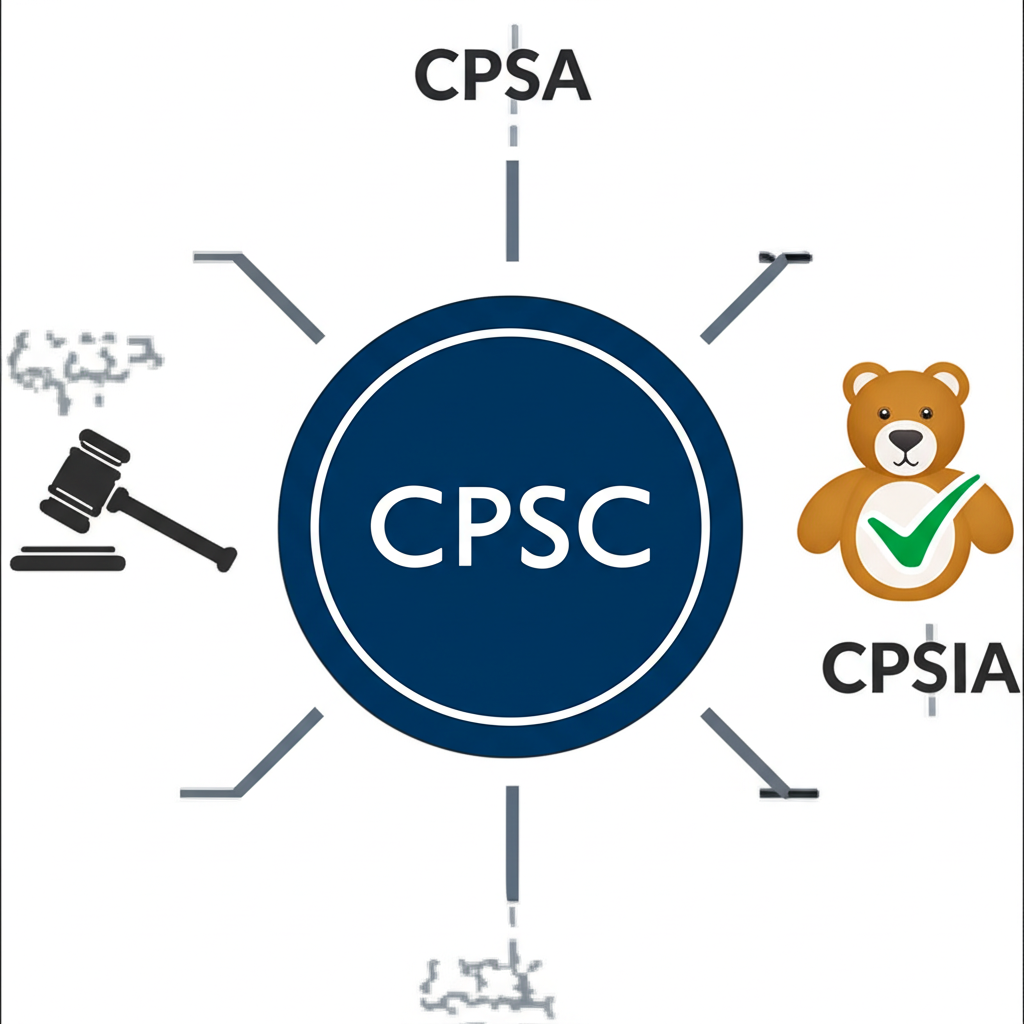
Key US Laws and Regulatory Bodies: The CPSC, CPSA, and CPSIA
In the United States, the landscape of consumer product safety is primarily governed by the Consumer Product Safety Commission (CPSC), an independent federal agency established by the Consumer Product Safety Act (CPSA) in 1972. The CPSC’s mission is to protect the public against unreasonable risks of injury or death associated with consumer products. It achieves this by developing safety standards, issuing and enforcing mandatory regulations, obtaining product recalls, researching potential hazards, and educating consumers. The CPSC has jurisdiction over thousands of types of consumer products, from coffee makers to ATVs.
The Consumer Product Safety Act (CPSA) is the foundational statute that created the CPSC and granted it the authority to develop standards and pursue recalls. This landmark legislation was enacted to shield consumers from dangerous and defective products, which were alarmingly common before its passage. The CPSA empowers the CPSC to ban products when no feasible safety standard would adequately protect the public. It also requires manufacturers to report any product defects that could create a substantial product hazard to the commission, ensuring swift action can be taken to remove dangerous items from the marketplace.
A significant enhancement to this framework came with the Consumer Product Safety Improvement Act (CPSIA) of 2008. This act amended the CPSA to grant the CPSC new regulatory and enforcement tools, with a particular focus on products intended for children 12 years of age and younger. Key provisions of the CPSIA include:
- Stricter limits on lead and phthalates: It established stringent limits on lead content in children’s products and banned certain phthalates in toys and childcare articles.
- Mandatory third-party testing: For many children’s products, compliance must be verified by a CPSC-accepted accredited laboratory.
- Children’s Product Certificate (CPC): Manufacturers and importers must issue a CPC certifying that their product complies with all applicable children’s product safety rules.
- Tracking labels: Children’s products must have permanent tracking information affixed to the product and its packaging to facilitate recalls.
Together, the CPSC, CPSA, and CPSIA form a comprehensive regulatory system designed to ensure the safety of consumer goods across the United States, from initial design to final sale.
Voluntary Consensus Standards and Key Organizations (e.g., ASTM)
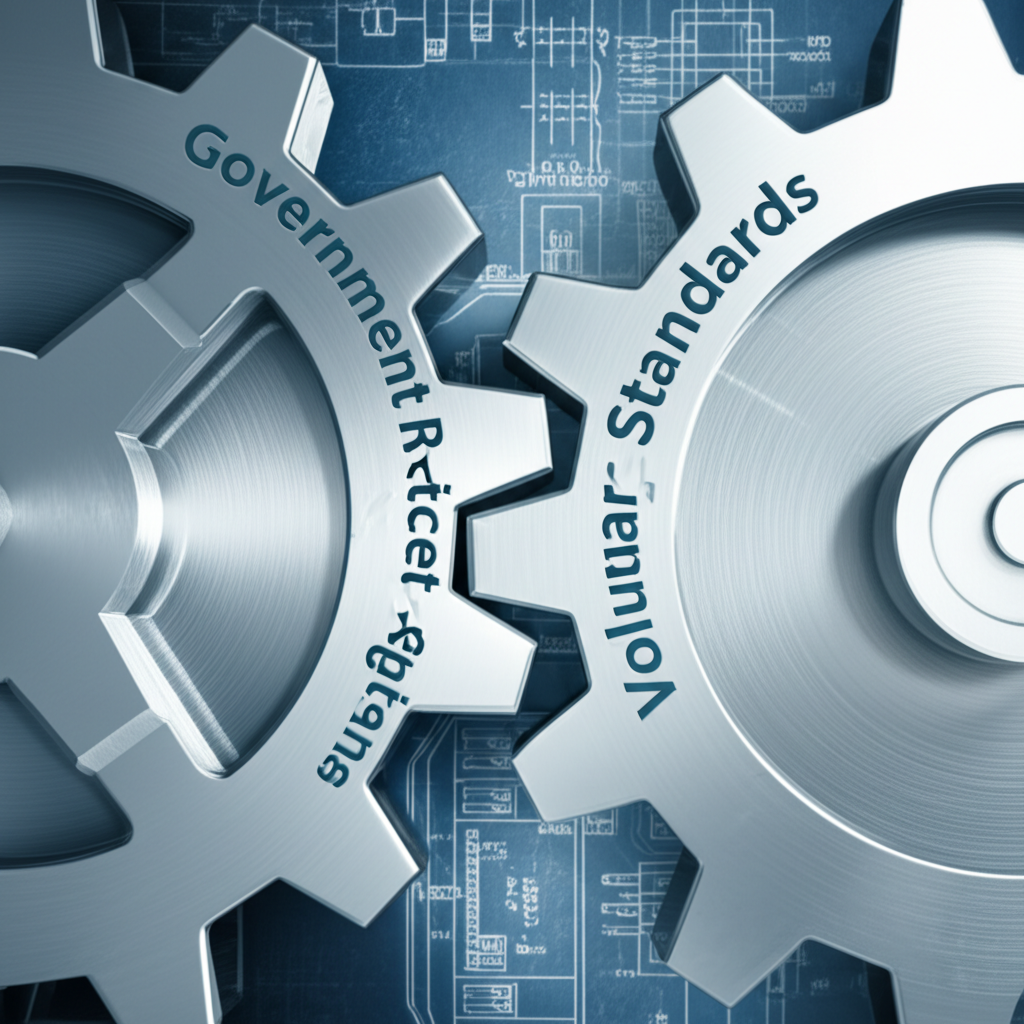
Beyond mandatory government regulations, the product safety ecosystem also relies heavily on voluntary consensus standards. These are standards developed by private organizations, known as Standards Development Organizations (SDOs), through a collaborative process involving industry experts, consumer advocates, and government representatives. Unlike federal laws, these standards are not inherently mandatory. However, they play a crucial role in shaping industry best practices and often serve as the foundation for official government regulations.
A prominent SDO in the United States is ASTM International. This organization develops and publishes technical standards for a wide range of materials, products, systems, and services. Many of ASTM’s standards are focused on consumer products, including toys (ASTM F963), baby products, playground equipment, and amusement rides. Manufacturers often voluntarily adopt these standards to demonstrate due diligence and a commitment to safety. This proactive approach helps ensure products are safe even in areas where specific government mandates may not exist.
The line between voluntary and mandatory standards can blur. A voluntary standard can become legally binding when it is incorporated by reference into a government regulation or law. A prime example of this is the CPSIA, which made ASTM F963, the Standard Consumer Safety Specification for Toy Safety, a mandatory requirement for all toys sold in the U.S. This mechanism allows regulatory agencies like the CPSC to leverage the expertise and resources of SDOs to create robust, effective, and up-to-date safety rules without having to develop them from scratch.
For businesses, especially those sourcing products from overseas, ensuring compliance with both mandatory and key voluntary standards is critical. Navigating the complex requirements of different markets requires a robust quality control strategy. For companies that are sourcing from China, a trusted partner on the ground can be invaluable. From comprehensive factory audits to meticulous pre-shipment inspections and secure container loading supervision, services like those offered by China Quality Inspection act as your eyes in the factory, ensuring products meet exact specifications and safety standards before shipment. This level of oversight is essential to secure a supply chain and protect an investment in today’s global marketplace.
Common Product Categories and Associated Hazards
Product safety standards are not one-size-fits-all; they are tailored to the specific risks associated with different product categories. Certain types of goods receive more regulatory scrutiny due to their inherent risks or their intended users, such as children. Understanding these categories and their common hazards helps illustrate the practical application of safety regulations.
One of the most heavily regulated categories is Children’s Products. This includes toys, cribs, pacifiers, children’s apparel, and nursery equipment. The hazards are numerous and specific:
- Choking Hazards: Small parts on toys can detach and be ingested by young children. The Child Safety Protection Act mandates clear warning labels for toys with small parts that pose a choking risk.
- Chemical Hazards: Regulations strictly limit the presence of harmful substances like lead and phthalates. The CPSIA sets mandatory limits for lead in paint and substrates of children’s products.
- Mechanical Hazards: This includes sharp points, pinch points, and structural failures. For example, crib standards developed by ASTM and enforced by the CPSC are designed to prevent entrapment and suffocation.
Electronics and Household Appliances are another critical category. These products are ubiquitous in modern homes and carry risks of fire, electrocution, and burns. Standards for these items often focus on electrical safety, such as proper wiring, insulation, and overheat protection. The Flammable Fabrics Act (FFA) also regulates materials used in furnishings to prevent the rapid spread of fire. Likewise, the Refrigerator Safety Act requires that refrigerator doors can be opened from the inside to prevent child entrapment.
Other regulated categories include hazardous household products, which fall under the Federal Hazardous Substances Act (FHSA). This act requires clear warning labels on products that are toxic, corrosive, flammable, or irritants. Furthermore, the Poison Prevention Packaging Act (PPPA) mandates child-resistant packaging for a range of dangerous substances, from chemicals to certain medications, to protect children from accidental poisoning.
Frequently Asked Questions
1. What are the consumer goods safety regulations?
Consumer goods safety regulations are a collection of laws, mandatory standards, and bans designed to protect the public from unreasonable risks of injury or death from consumer products. In the United States, these are primarily administered by the Consumer Product Safety Commission (CPSC). Key federal laws include the Consumer Product Safety Act (CPSA), which established the CPSC, and the Consumer Product Safety Improvement Act (CPSIA), which set stringent requirements for children’s products, including limits on lead and phthalates and mandatory third-party testing. Other important regulations include the Federal Hazardous Substances Act (FHSA) for labeling dangerous chemicals and the Flammable Fabrics Act (FFA) for clothing and textiles.

