


TL;DR
Identifying common furniture defects involves checking for both surface-level flaws and deeper structural problems. Key issues to look for include scratches, wobbly joints, finish inconsistencies, and hardware malfunctions. A thorough inspection combines a careful visual scan, physical stability tests, and testing all moving parts like drawers and doors to ensure the piece is well-made and durable.
A Categorical Guide to Common Furniture Defects
Understanding what to look for is the first step in assessing furniture quality. Defects can range from minor cosmetic issues to major structural failures that compromise safety and longevity. By breaking down potential problems into categories, you can conduct a more systematic and effective inspection. These issues can arise during manufacturing, shipping, or even from the initial quality of the materials used.
Wood and Surface Defects
The most visible parts of wooden furniture are often the most susceptible to damage. Scratches and dents are frequent complaints, often occurring during transportation. Beyond simple surface damage, look for warping, where the wood has become uneven or bent. This can compromise the furniture’s stability. Other issues include cracks or splits in the wood, which can indicate that the lumber was dried improperly and may worsen over time. While some visual characteristics like knots, mineral streaks, and slight color variations are normal features of natural wood, large or open cracks are a sign of a true defect.
Structural and Joint Integrity
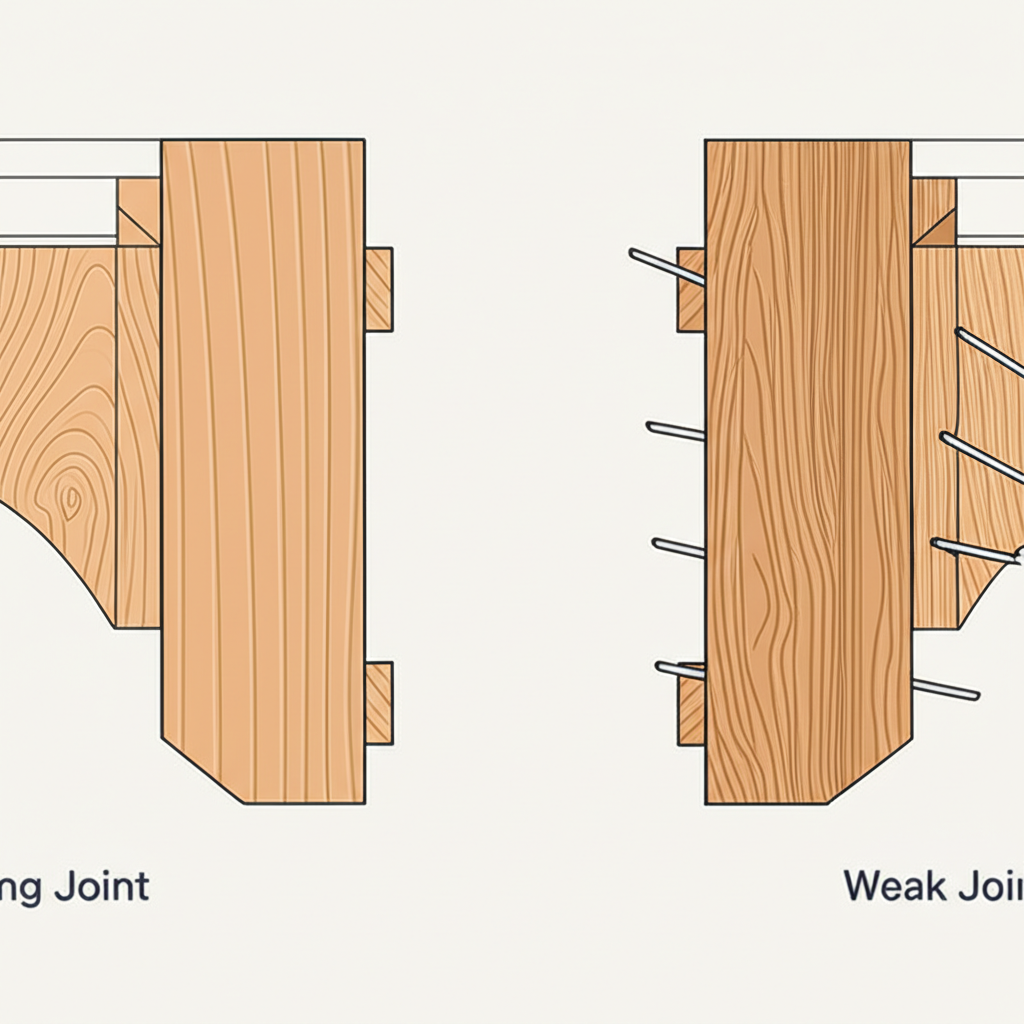
A piece of furniture is only as strong as its weakest joint. One of the most critical signs of poor quality is instability. A chair or table with wobbly legs or a loose base is often a result of weak or poorly assembled joints. These issues can stem from inadequate adhesion or improper fastening during production. Connections that are misaligned not only look bad but can also affect the furniture’s overall function and durability. A quality inspection should always include physically testing for any give or movement in the joints.
Upholstery and Fabric Issues
For sofas, chairs, and other upholstered items, the fabric and padding are key components. Common defects include tears, rips, or stains that may occur during handling. Another issue to watch for is uneven padding, which creates an uncomfortable and lumpy surface. You should also inspect the seams and stitching for any loose threads or signs of pulling, as this can indicate poor craftsmanship that will not stand up to regular use. The color and texture should be consistent across the entire piece, without unexpected discoloration.
Finish and Hardware Problems
The finish protects the furniture and contributes to its final look. Defects can include cracks in the varnish, uneven staining that appears blotchy, or drips and bubbles on the surface. Hardware—such as drawer slides, hinges, and handles—is also a frequent point of failure. Test every moving part. Drawers should slide smoothly without sticking, and cabinet doors should open and close without issue. Faulty or weak hardware is not just an annoyance; it can render a piece of furniture unusable.
For businesses importing products, ensuring consistent quality across a large batch can be challenging. Many companies that are sourcing from China require a trusted partner on the ground. Professional services can perform essential checks, from factory audits to pre-shipment inspections, to ensure products meet exact specifications. For those looking to secure their supply chain, exploring a full range of quality control services can be a crucial step in preventing defects before they become a costly problem.
Your Step-by-Step Furniture Inspection Checklist
A hands-on inspection is the best way to assess furniture quality. This checklist breaks down the process into actionable steps, helping you move from a general overview to a detailed examination. Following a structured approach ensures you don’t miss hidden flaws that could lead to problems later.
- Perform a Stability Test. This is the most important initial check. For items like tables, chairs, and bookcases, place the piece on a level surface and gently push and rock it. It should feel solid and stable, with no wobbling or swaying. This simple test quickly reveals issues with joint integrity or uneven legs.
- Conduct a Thorough Visual Scan. Examine all surfaces, corners, and edges from multiple angles. Look for scratches, dents, cracks, or any other surface damage. Pay close attention to the consistency of the finish. Check for blotches, drips, or areas where the stain is uneven, as this can be a sign of rushed or poor-quality work.
- Examine Joints and Construction. Look closely at how the piece is assembled. High-quality furniture often uses strong joinery techniques like dovetails or mortise-and-tenon joints. Be wary of furniture held together primarily by staples, nails, or visible glue, as these are signs of lower-quality construction that may not be durable.
- Test All Functional Components. Every moving part should be tested. Open and close all drawers and doors to ensure they operate smoothly and align correctly. Check that hardware like handles, knobs, and hinges are securely fastened and feel sturdy. This is also a good time to check for unpleasant odors, which could indicate issues with materials or finishing processes.
- Inspect the Finish and Upholstery. Run your hand over the surfaces to feel for roughness or imperfections in the finish. For upholstered items, press down on the cushions to check for even and supportive padding. Examine the fabric for tears, snags, or stains and check that all seams are straight and securely stitched.
- Check for Material Quality. If it’s a wood piece, determine if it’s solid wood, veneer, or a composite material. Solid wood is generally more durable but also has natural variations. As outlined by experts at The Stated Home, it’s important to distinguish these natural features from actual defects. For any piece, the materials should feel substantial and appropriate for the item’s intended use.
Natural Feature or True Defect? How to Tell the Difference
One of the biggest challenges when inspecting wood furniture is distinguishing between a natural characteristic of the material and a genuine quality defect. Because wood was once a living organism, it carries unique marks and variations that contribute to its beauty and character. However, other imperfections are signs of poor material selection or craftsmanship.
Understanding the difference helps you make a more informed judgment. Natural features are typically cosmetic and do not affect the furniture’s structural integrity. In contrast, true defects can compromise the strength, stability, and long-term durability of the piece. Knowing what to accept and what to reject is key to choosing high-quality wood furniture.
Here’s a breakdown of what is generally considered acceptable versus what should be a cause for concern:
Acceptable Features
- Grain and Color Variation: Boards from the same tree, and certainly from different trees, will have variations in grain pattern and color. This is a hallmark of real wood.
- Small Knots: Pin knots or other small, closed knots are a natural part of the wood’s character and generally do not weaken the structure.
- Mineral Streaks: These are darker lines caused by minerals absorbed by the tree as it grew and are considered a normal visual characteristic.
Potential Defects
- Large or Open Cracks: While tiny hairline cracks might occur as wood settles, any significant split, especially one that goes through the wood, is a major defect. This often indicates the wood was not dried properly.
- Warping: If a flat surface like a tabletop has a noticeable curve or bend, it is warped. This can cause instability and is a sign of manufacturing issues.
- Gaps in Construction: While wood expands and contracts, you should not see significant gaps at the joints or between panels. This can indicate poor assembly or improperly seasoned wood.

Special Considerations: Inspecting Furniture Upon Delivery
The moment new furniture arrives is exciting, but it’s also a critical window for inspection. Damage often occurs during shipping and handling, and identifying it immediately is the best way to resolve the issue smoothly. Being prepared with a clear plan can save you from frustration and potential costs down the line.
Before the delivery team leaves, take a few minutes to perform a thorough check. Don’t feel rushed; it is your right to ensure you are receiving the item in the condition you expect. Documenting any issues on the spot provides crucial evidence if you need to file a claim or request a replacement.
Follow these steps to handle a furniture delivery effectively:
- Inspect the Packaging First: Before anything is unwrapped, check the box or packaging for any signs of damage, such as tears, punctures, or crushed corners. This can be an early indicator that the item inside may be damaged.
- Unpack and Inspect Before Signing: Do not sign the delivery receipt until you have had a chance to inspect the furniture itself. Ask the delivery team to wait while you carefully examine the item for any of the defects mentioned earlier, such as scratches, dents, or upholstery damage.
- Document Everything Immediately: If you discover any damage, no matter how minor, document it with clear photographs from multiple angles. Make a note of the damage on the delivery receipt before signing it. This creates an official record that the issue was present at the time of delivery.
- Know Your Rights: For significant damage, you typically have the right to refuse the delivery. If the damage is minor and you decide to keep the item, ensure your notes on the delivery receipt are clear. Contact the retailer immediately to report the problem and discuss solutions, which could include a repair, a partial refund, or a replacement.
Frequently Asked Questions
1. What are signs of poor furniture quality?
Key signs of poor quality include instability or wobbling, visible staples or glue instead of proper joints, drawers that stick or don’t align, and an uneven or easily damaged finish. If a piece feels lightweight for its size or uncomfortable to use, it may also be a sign of low-quality materials and construction.
2. How do you inspect furniture quality?
A good inspection involves a multi-sense approach. Look for surface flaws and check construction. Physically test for stability by pushing on the item. Feel the finish for smoothness. Open and close all drawers and doors. For upholstered pieces, check the fabric and press on the cushions to test the support. A comprehensive guide can be found in resources about furniture testing methods.
3. What is the most common wood defect?
The most common wood defect is a knot, but other problematic defects include checks and splits. A check is a crack that appears on the surface as wood dries, while a split goes all the way through the board. Both are often caused by the lumber drying too quickly and can compromise the structural integrity and appearance of the wood.
4. What is the 2/3 rule in furniture?
The 2/3 rule is a guideline used in interior design for arranging furniture, not for assessing defects. It suggests that a major piece of furniture, like a sofa, should take up approximately two-thirds of the wall it’s placed against. Similarly, a coffee table should be about two-thirds the length of the sofa to create a balanced and visually appealing layout.

