

TL;DR
Common product defects in textiles and garments are flaws that compromise the quality, appearance, or function of the material or finished apparel. These defects are broadly categorized as fabric-level issues, such as color variations, holes, and weaving errors, or manufacturing faults like broken stitches, open seams, and incorrect sizing. Identifying and classifying these flaws is a critical step in quality control to prevent costly returns and ensure product integrity.
Understanding Defect Classification: Major, Minor, and Critical
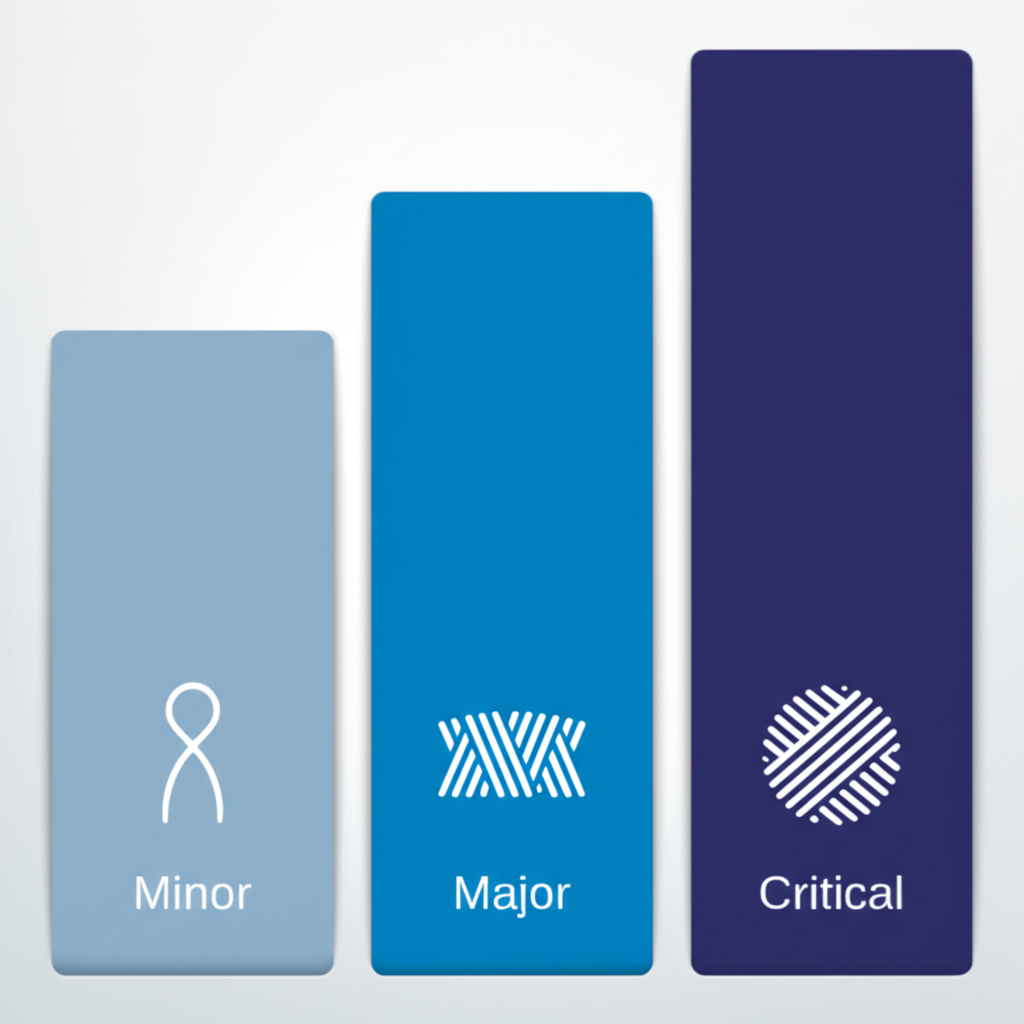
In the textile and apparel industry, not all defects are created equal. To standardize quality control and make informed decisions about whether a product passes inspection, defects are typically sorted into three categories based on their severity: critical, major, and minor. This classification system provides a crucial framework for manufacturers, inspectors, and brands to assess the overall quality of a production run and its acceptability for the market. Understanding these tiers is the first step toward effective quality management.
A Critical Defect is the most severe type of flaw. It is defined as a defect that renders the garment unusable, is hazardous or unsafe for the consumer, or violates mandatory regulations. For example, finding a broken needle embedded in a garment, the presence of mold, or using a fabric that fails flammability standards would all be classified as critical defects. A single critical defect in an inspection sample typically results in the failure of the entire production lot, as it poses a direct risk to the end-user and can lead to product recalls and significant legal liability.
Major Defects are flaws that are likely to be noticed by the consumer and would significantly impact the garment’s usability, aesthetic appeal, or structural integrity. These defects would likely cause a customer to return the product. Examples include a large, noticeable stain on the front of a shirt, an open seam that compromises the garment’s structure, intermittent or skipped stitching, or a significant color mismatch between panels. While not inherently dangerous, major defects affect the salability and serviceability of the product, making it a “second” or unsellable item.
Finally, a Minor Defect is a small flaw that is not likely to be noticed by the average consumer and does not affect the garment’s function or form. These are typically small imperfections that fall short of the brand’s quality standards but would not cause a customer to return the item. Examples include a single untrimmed thread on an inside seam, a minor variation in stitch density in an inconspicuous area, or a tiny fabric slub. While a few minor defects may be acceptable, a high quantity of them in a single garment can collectively become a major defect.
| Defect Classification | Definition | Examples |
|---|---|---|
| Critical | A flaw that is hazardous, unsafe, or renders the product unusable. | Broken needle in garment, sharp edges on buttons, presence of insects or mold. |
| Major | A flaw that affects the product’s salability, usability, or appearance. | Open seams, broken stitches, large stains, significant shade variation, incorrect sizing. |
| Minor | A small flaw unlikely to be noticed by the customer or affect usability. | Small uncut thread ends, slight puckering in a hidden seam, a single small fabric slub. |
A Guide to Common Fabric-Level Defects
Before a single stitch is sewn, the quality of a garment is determined by the integrity of its primary material: the fabric. Fabric defects originate during the yarn spinning, weaving, knitting, or finishing stages and can severely impact the final product’s appearance and durability. Identifying these flaws early is essential for preventing widespread issues in a production run. These defects can be grouped into several key categories based on their origin and appearance.
Yarn and Weaving Irregularities
These defects are embedded in the structure of the fabric itself. Slubs and knots are thick, uneven places in the yarn that create a lumpy texture on the fabric surface. Similarly, a coarse or thin end/pick refers to a warp or weft yarn that is noticeably thicker or thinner than the rest, creating visible streaks. More severe issues include a missing or broken end, where a warp yarn is absent, or a broken pick, where a weft yarn stops partway across the fabric’s width. These structural flaws can weaken the fabric and are often considered major defects.
Color and Dyeing Issues
Problems during the wet processing stage (dyeing and printing) are very common. Shade variation is a noticeable difference in color between different parts of the same fabric roll or between different rolls intended to be the same color. This can lead to garments with mismatched panels. Uneven dyeing can cause streaks or blotchy patches, while color bleeding occurs when low-quality dyes transfer onto other materials during washing. Stains from oil, dirt, or dye chemicals that are not properly washed out also fall into this category and can easily make a garment unsellable.
Structural and Finishing Flaws
These defects relate to the fabric’s physical integrity and dimensions. Holes, snags, and runs are physical damage that can occur at any stage, from weaving to handling. Fabric distortion, such as bowing (where weft yarns form an arc) or skewing (where weft yarns are not perpendicular to the warp), affects the grainline and can cause twisting in the final garment after washing. Another critical issue is shrinkage, which happens when a fabric is not properly pre-treated or stabilized, causing it to shrink excessively when washed by the consumer. For a comprehensive visual reference of these and many other fabric-specific flaws, the Standard Fabric Defect Glossary from Cotton Incorporated is an excellent industry resource.
A Guide to Common Garment Manufacturing Defects
Once the fabric is cut, the garment assembly process introduces a new set of potential defects. These flaws typically result from operator error, incorrect machine settings, or poor handling during sewing and finishing. Even with perfect fabric, mistakes made during construction can ruin a garment, leading to significant quality control failures. These manufacturing defects are often related to seams, stitching, and the final presentation of the product.
Stitching and Seam Errors
The majority of manufacturing defects occur during the sewing process. Broken stitches and skipped stitches create weak points in a seam that can easily unravel. An open seam, where the stitching has failed to catch both pieces of fabric, is a major defect that compromises the garment’s structure entirely. Another common issue is seam puckering, which creates a wavy or gathered appearance along the stitch line, often caused by incorrect thread tension or feeding issues. These flaws directly impact the durability and neatness of the finished product.
Finishing and Assembly Flaws
After sewing, the finishing process can also introduce defects. One of the most frequent and easily preventable issues is the presence of untrimmed threads. While minor on inside seams, long or numerous thread ends on the exterior are considered a major defect. Incorrect sizing is another critical failure, where the finished garment does not match the specified measurements, rendering it unwearable for the intended size. Furthermore, components like buttons, zippers, and snaps can be defective; a broken button, a non-functional zipper, or a sharp edge on a metal trim are all grounds for rejection.
Appearance and Handling Issues
Throughout the production line, garments are handled by numerous people and machines, creating opportunities for them to become soiled. Dirt, oil, and stains acquired during manufacturing can be difficult to remove and will downgrade a product’s quality. Similarly, crease marks from improper folding, pressing, or storage can create permanent discoloration or impressions in the fabric. A clean, well-pressed final appearance is crucial for customer satisfaction, and failures in this area reflect poorly on the brand’s attention to detail.
Root Causes and Prevention Strategies
Identifying defects is only half the battle; preventing them is the ultimate goal of any effective quality control program. Defects can arise at any point in the supply chain, from raw material selection to final packaging. A proactive approach involves understanding the root causes at each stage and implementing robust strategies to mitigate them. This ensures consistency, reduces waste, and protects brand reputation.
The foundation of a quality product is quality materials. Many fabric defects stem from low-grade yarn, improper weaving or knitting, or errors in the dyeing and finishing processes. Prevention at this stage involves setting clear standards with fabric suppliers and conducting thorough inspections upon receipt of the raw materials. This includes checking for the fabric-level defects mentioned earlier, like shade variation, holes, and structural integrity. Establishing a strong partnership with reputable mills that have their own internal quality control is a crucial first step.
During garment assembly, the primary causes of defects are related to machinery and operator skill. Incorrect machine settings, such as improper thread tension or needle choice, can lead to puckering, skipped stitches, and fabric damage. A lack of operator training can result in poor workmanship, like crooked seams or incorrect component attachment. Prevention strategies include regular machine maintenance, comprehensive training programs for sewing operators, and the use of standardized construction guides or tech packs to ensure consistency across all units.
For brands sourcing products internationally, maintaining oversight can be challenging. This is where a trusted partner on the ground becomes invaluable. From comprehensive factory audits to meticulous pre-shipment inspections and secure container loading supervision, third-party inspectors act as your eyes in the factory. For those sourcing from Asia, services that ensure your products meet exact specifications before they are shipped can be a critical prevention strategy. To secure your supply chain, you can explore a full range of quality control services from providers like China Quality Inspection, which helps protect your investment.
Frequently Asked Questions
1. What are the major defects of garments?
Major defects in garments are significant flaws that affect the product’s appearance, function, or fit, making it likely to be returned by a customer. Common examples include open seams, broken or skipped stitches, significant color mismatching between parts, incorrect garment measurements (bad sizing), non-functional zippers or buttons, and large, visible stains or holes.
2. What are the defects of textile fabric?
Textile fabric defects are flaws originating from the yarn production, weaving, knitting, or finishing stages. Common examples include yarn defects like slubs (thick spots) and neps (small tangles), weaving flaws like missing yarns (end out or missing pick) and bowing or skewing (distorted grain), and dyeing issues such as shade variation, streaks, and color bleeding.
3. What are the top 3 defect classifications?
The three standard classifications for defects in the garment industry are Critical, Major, and Minor. A Critical defect is a hazardous flaw that makes a product unsafe or unusable. A Major defect impacts the product’s salability and function. A Minor defect is a small imperfection that doesn’t affect the product’s use and is unlikely to be noticed by a customer. For a detailed breakdown, you can reference guides from industry resources like Textile Industry.

