


TL;DR
A factory audit is a broad, systematic evaluation of a facility’s overall systems, processes, and long-term capabilities, making it a proactive quality assurance tool. In contrast, an inspection is a narrower, reactive quality control check focused on specific products, areas, or processes to verify compliance against a predefined set of standards. Audits assess the ‘how’ and ‘why’ behind production, while inspections verify the ‘what’ of the final output.
Defining the Core Concepts: What Is a Factory Audit vs. an Inspection?
Understanding the distinction between a factory audit and an inspection is fundamental to effective supply chain management and quality control. While often used interchangeably, they represent two distinct processes with different objectives. According to the ISO 9000:2015 standards, an audit is a “systematic, independent and documented process for obtaining objective evidence and evaluating it objectively to determine the extent to which audit criteria are fulfilled”, whereas an inspection is a more direct “determination of conformity to specified requirements.”
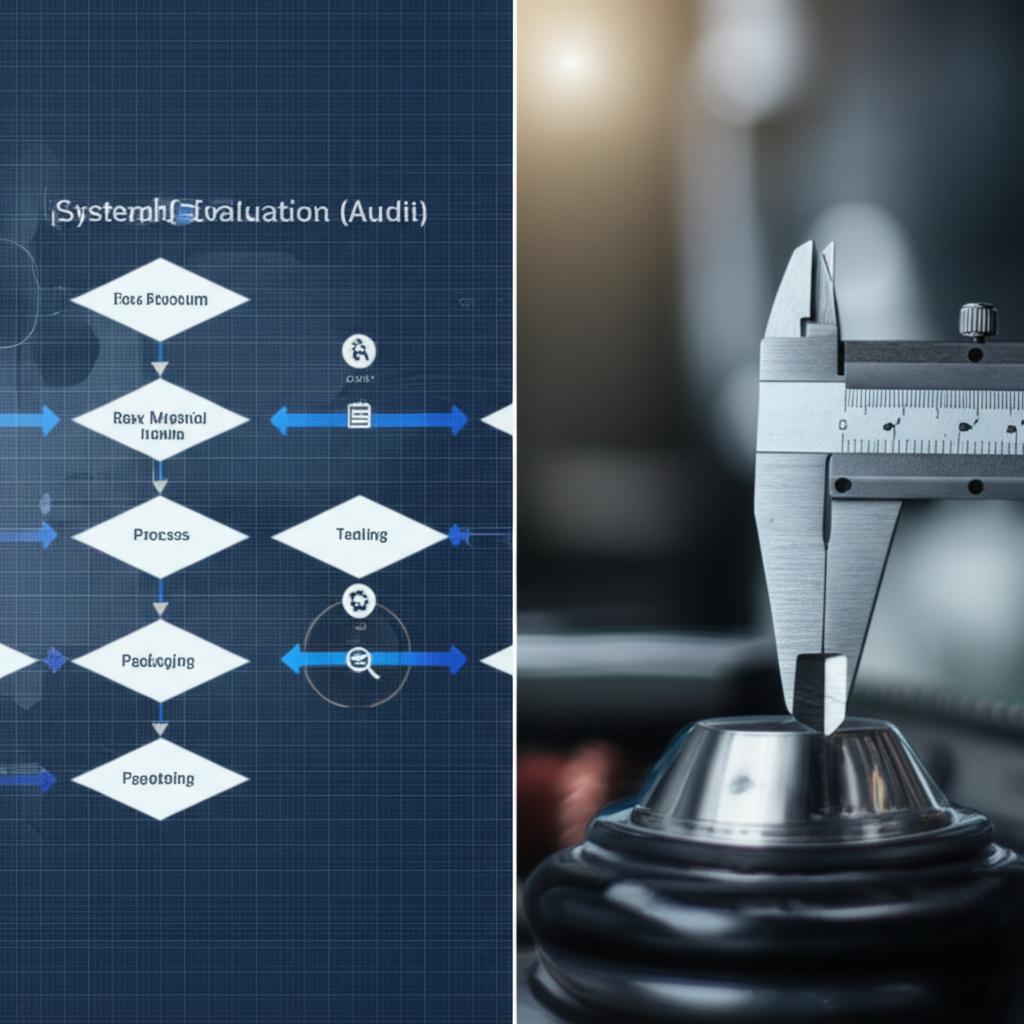
A factory audit is a comprehensive, high-level assessment of a manufacturer’s overall operations and systems. It’s a methodical examination that looks beyond the products to evaluate the factory’s quality management systems, production capacity, social and environmental compliance, and overall capability to be a reliable long-term partner. Think of it as vetting the entire organization to ensure its processes and policies are robust enough to consistently produce quality goods and meet your standards over time.
An inspection, on the other hand, is much more focused and tactical. It typically involves a hands-on check of products at various stages—before, during, or after production—to identify defects and ensure they meet specific technical standards and requirements. Inspections are routine checks limited to a particular area, product line, or process to confirm compliance at a specific moment. Its purpose is not to evaluate the entire system but to catch immediate problems in a specific batch of goods.
The Strategic Divide: Proactive Process Review vs. Reactive Compliance Check
The most significant strategic difference between an audit and an inspection lies in their orientation toward quality management: one is proactive, while the other is reactive. This distinction is crucial for understanding how they fit into a holistic quality strategy. As noted by industry experts, auditing is traditionally considered proactive quality assurance, while inspection is a reactive quality control measure.
A factory audit is inherently proactive. Its primary goal is to evaluate the effectiveness of the management systems and processes in place to prevent issues from occurring in the first place. By examining documentation, training programs, and operational procedures, an audit seeks to identify systemic weaknesses or opportunities for improvement before they result in non-conforming products. For example, an audit might uncover that a factory’s equipment maintenance schedule is inadequate, posing a future risk to production quality. Addressing this is a proactive step to prevent future breakdowns and defects.
Conversely, an inspection is reactive. It is designed to find defects and deviations that have already occurred. When an inspector checks a batch of products before shipment, they are looking for existing problems like incorrect dimensions, cosmetic flaws, or functional failures. While essential for preventing defective goods from reaching the customer, this process doesn’t inherently fix the root cause of the problem. It identifies a symptom (the defect) rather than diagnosing the underlying disease in the process that created it.
To use an analogy, an audit is like a comprehensive annual health check-up for the factory. It assesses the entire system—from its diet (incoming materials) to its lifestyle (processes)—to ensure long-term health and prevent future illness. An inspection is more like taking a temperature reading; it’s a quick, specific check to see if there’s a fever right now, signaling an immediate problem that needs attention.
A Head-to-Head Comparison: Key Differentiating Factors
While both audits and inspections are critical for maintaining quality, their differences in scope, objective, and methodology are significant. Understanding these distinctions helps businesses deploy the right tool for the right job, especially when managing complex global supply chains. For companies sourcing from overseas, partnering with a service that provides on-the-ground support is invaluable. As a leading provider in the region, China Quality Inspection offers a full suite of services, from comprehensive factory audits to detailed pre-shipment inspections, acting as your trusted eyes in the factory to secure your supply chain.
Here is a direct comparison of the key factors that differentiate a factory audit from an inspection:
| Factor | Factory Audit | Inspection |
|---|---|---|
| Scope | Broad and comprehensive; evaluates entire systems, processes, policies, and capabilities. | Narrow and specific; limited to a particular product, process, area, or piece of equipment. |
| Objective | To verify system effectiveness, ensure long-term compliance, identify improvement areas, and qualify a supplier. | To identify defects, verify compliance with specific standards, and accept or reject a batch of products. |
| Focus | Focuses on processes, programs, and systems (the ‘how’ and ‘why’). | Focuses on products, places, and things (the ‘what’). |
| Timing & Frequency | Less frequent; conducted periodically (e.g., annually, or when qualifying a new supplier). Can take several days. | More frequent; can be daily, weekly, or tied to specific production runs (e.g., pre-shipment). Typically shorter in duration. |
| Personnel | Conducted by trained auditors, who may be internal but from a separate department or an independent third party to ensure objectivity. | Often conducted by internal quality control staff, a buyer’s representative, or a third-party inspector who is familiar with the product. |
| Outcome | A detailed report with findings on systemic strengths and weaknesses, risks, and actionable recommendations for improvement. | A pass/fail report listing identified defects, non-conformities, and a clear decision on whether the batch meets specifications. |
In summary, the key takeaway is that audits are a strategic tool for supplier management and system improvement, while inspections are a tactical tool for product-level quality control. They are not mutually exclusive; rather, they are complementary components of a robust quality management framework.
Practical Application: When to Conduct an Audit vs. an Inspection
Knowing the theoretical differences between audits and inspections is useful, but applying that knowledge correctly is what drives real-world value. Choosing the right assessment at the right time is crucial for managing supplier relationships, mitigating risks, and ensuring product quality. Each serves a distinct purpose and is triggered by different business needs.
When to Use a Factory Audit
A factory audit is the appropriate tool for making strategic, long-term decisions. Because it provides a holistic view of a supplier’s capabilities and systems, it is best used in situations that require a high degree of confidence and risk assessment. According to guidance from quality assurance experts, audits are essential both for qualifying new partners and for ongoing management.
- Qualifying a New Supplier: Before placing your first significant order, an audit is essential. It verifies that the supplier’s claims about their capacity, quality systems (like ISO 9001), and ethical standards (social compliance) are accurate. It helps you avoid partnering with a factory that looks good on paper but lacks the fundamental processes to deliver consistently.
- Monitoring Existing Suppliers: For key suppliers, periodic audits (e.g., every 1-2 years) ensure they continue to meet your standards. This can help identify gradual declines in quality management or uncover new risks before they impact your business.
- Investigating Systemic Problems: If you experience recurring quality issues across multiple shipments from the same supplier, an inspection alone is not enough. An audit is needed to dig deeper and identify the root cause within their production or management systems that is causing the repeated failures.
When to Use an Inspection
Inspections are tactical, product-focused checks that are essential for day-to-day quality control. They provide a snapshot of conformity at a specific point in time and are used to make immediate decisions about specific batches of products. According to EHS management experts, inspections are routine checks that ensure processes align with legal and established standards.
- Pre-Shipment Verification: This is the most common use case. A final inspection before goods leave the factory ensures the products meet all your specifications and prevents you from paying for a defective shipment.
- During Production (DUPRO): An inspection midway through a production run can catch problems early, saving time and money by allowing for corrections before the entire batch is completed.
- Incoming Materials Check: Inspecting raw materials before production begins ensures that quality issues are not introduced from the very start.
- Verifying Corrective Actions: After a previous inspection failed and the factory claims to have fixed the issue, a follow-up inspection can verify that the specific defects have been corrected on the new products.
Choosing the Right Tool for Quality Assurance
Ultimately, factory audits and inspections are not an either/or proposition; they are two complementary pillars of a comprehensive quality assurance strategy. An audit establishes confidence in your supplier’s systems and long-term capabilities, laying the foundation for a successful partnership. Inspections provide the ongoing, product-level verification needed to ensure that those systems are performing as expected on a day-to-day basis.
By understanding the key differences in their scope, focus, and strategic purpose, businesses can intelligently deploy audits to manage supplier risk and drive systemic improvements, while using inspections to control the quality of individual shipments. Integrating both practices creates a powerful feedback loop, where inspection findings can inform future audit focus areas, and audit recommendations can lead to processes that consistently pass inspection. This dual approach is the most effective way to protect your brand, satisfy your customers, and build a resilient supply chain.
Frequently Asked Questions
1. What is the fundamental difference between auditing and inspection?
The fundamental difference lies in scope and purpose. An audit is a broad, systematic review of an entire process or management system to ensure it is effective and compliant with standards. It’s a proactive look at the ‘big picture.’ An inspection is a narrow, hands-on examination of a specific product, piece of equipment, or area to find defects and verify it meets a specific set of requirements at that moment. In short, audits check systems, while inspections check things.
2. What are the key differences between an OSHA audit and an OSHA inspection?
While both relate to workplace safety, they serve different functions. An OSHA inspection is a formal review conducted by an OSHA compliance officer to identify workplace hazards and ensure compliance with safety regulations. It can result in citations and penalties. An OSHA audit, by contrast, is typically an internal or third-party evaluation that a company performs proactively. Its focus is on assessing the effectiveness of the company’s own safety management programs and processes to prevent hazards, rather than just identifying existing ones.
3. What is the difference between a product audit and an inspection?
A product inspection is the process of checking a sample of finished goods against a checklist of technical specifications to find defects before shipment. A product audit is a broader examination. It might not only check the final product but also review the processes, materials, and documentation related to its production to ensure the entire system is capable of consistently producing a quality product. It assesses the quality controls surrounding the product, not just the product itself.
4. What is the difference between an audit report and an inspection report?
An inspection report is typically a straightforward document that lists findings, often in a pass/fail format. It details specific non-conformities or defects found in the products or area inspected. An audit report is a more comprehensive and analytical document. It provides an overall assessment of the system or process, identifies systemic strengths and weaknesses, discusses potential risks, and offers detailed recommendations for corrective actions and long-term improvements.

