

TL;DR
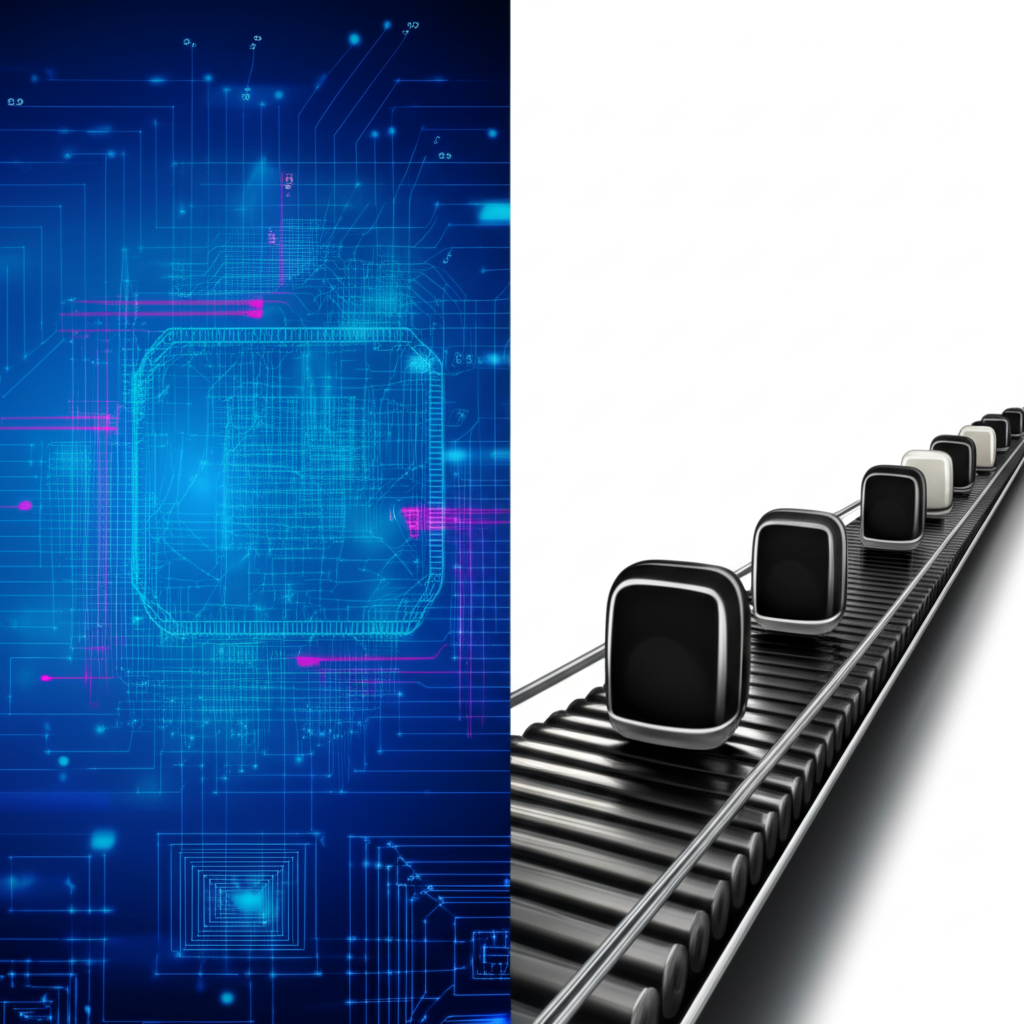
Prototype testing and production sample testing serve distinct, critical roles in product development. Prototype testing focuses on validating a product’s design, functionality, and feasibility before major investment. In contrast, production sample testing verifies that the finalized manufacturing process can consistently produce the product to the required quality standards before beginning mass production.
Defining the Prototype: The Blueprint for Innovation
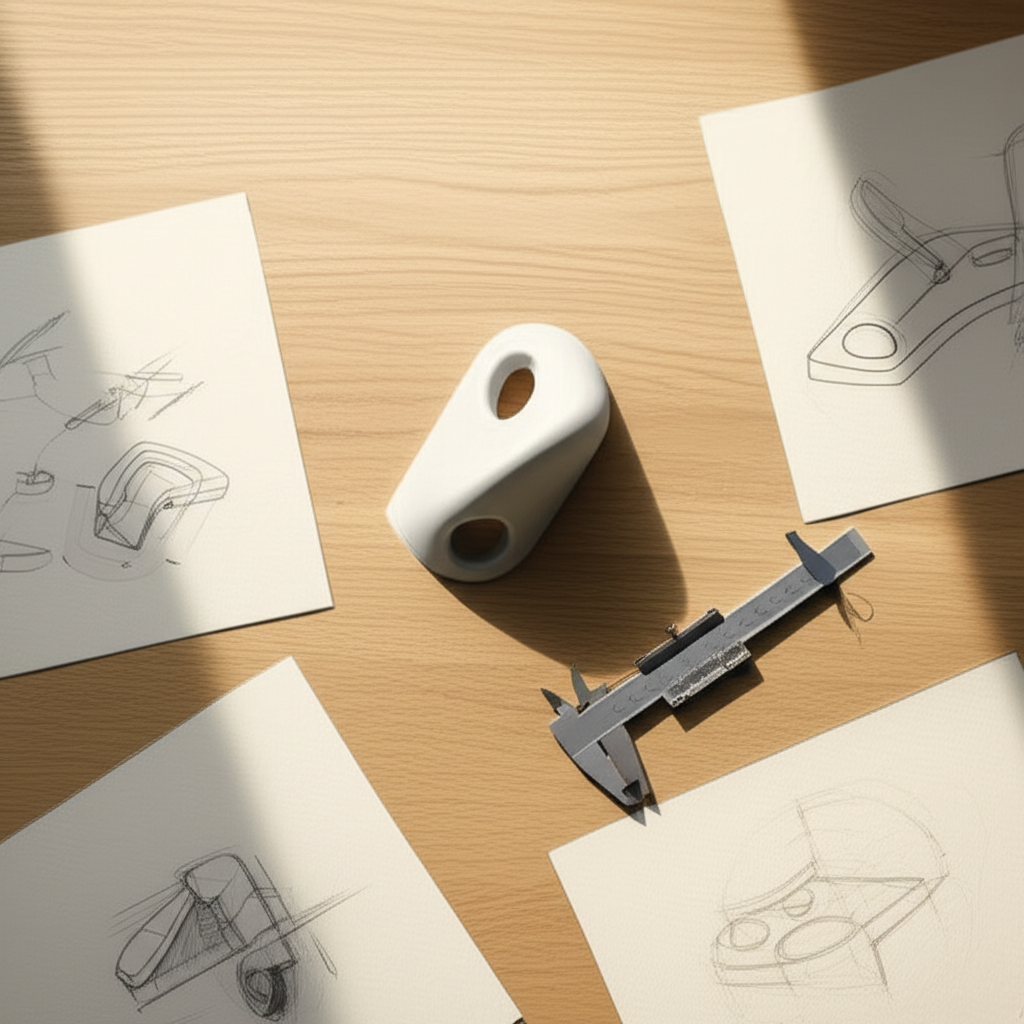
A prototype is an early, tangible model of a product idea, created to test concepts and validate designs. It is the first step in transforming a theoretical concept into a physical object. According to GTV, a prototype is an early version of the final product used to test its design, functionality, and performance. This stage is not about perfection but about exploration and learning. It’s an iterative process where designers and engineers can identify flaws, experiment with features, and refine the user experience before committing to expensive tooling and materials.
The primary objectives of creating a prototype are multifaceted. They serve as a proof-of-concept, demonstrating that the core idea is viable and can be built. They also allow for crucial user feedback, helping to ensure the final product will meet market needs and expectations. Prototypes are essential for identifying design weaknesses and potential manufacturing challenges early on, which can save significant time and money down the line.
Key goals of the prototyping phase often include:
- Feasibility Testing: Confirming that the product can be built with current technology and within budget.
- Functionality Validation: Ensuring all mechanical and electronic components work as intended.
- Ergonomic and User Experience (UX) Assessment: Testing how users interact with the product to refine its shape, size, and interface.
- Material Exploration: Experimenting with different materials to find the optimal balance of cost, durability, and appearance.
- Investor and Stakeholder Buy-in: Using a physical model to effectively communicate the vision and secure funding or approval.
Ultimately, the value of a prototype lies in its ability to reduce risk. As explained in an article by Idea to Life, prototyping helps fix problems before they become costly mistakes during production. By investing in this exploratory stage, companies can make informed decisions, optimize their designs, and proceed to the next stages of development with much greater confidence.
Understanding the Production Sample: The Pre-Launch Litmus Test
Once the design has been finalized and validated through prototyping, the focus shifts from the product’s design to its manufacturing. A production sample, sometimes called a pre-production sample, is a product made using the actual production-line tooling, materials, and processes that will be used for mass manufacturing. Its purpose is not to test the design idea—that’s already been done. Instead, its purpose is to test the manufacturing process itself.
The production sample serves as the final quality checkpoint before committing to a full production run. It answers critical questions: Can the factory consistently produce the product to the exact specifications? Are the chosen materials up to standard? Does the tooling create flawless parts every time? This stage is about ensuring quality, consistency, and repeatability at scale. As noted by Maker’s Row, samples are made during the production development process to verify quality and prepare for formal manufacturing.
A production sample is meticulously inspected to verify several key aspects:
- Material Quality: Confirming that the specified materials (plastics, metals, fabrics) meet all performance and aesthetic requirements.
- Tooling Accuracy: Ensuring that molds, dies, and fixtures produce parts with precise dimensions and a perfect finish.
- Assembly Line Consistency: Verifying that the assembly process is efficient, repeatable, and free of errors.
- Final Finish and Packaging: Checking colors, textures, branding, and final packaging to ensure they match the approved design.
This stage is crucial for preventing widespread defects that could lead to product recalls, financial loss, and damage to a brand’s reputation. For businesses sourcing from overseas, having a trusted partner on the ground is invaluable. For instance, services that offer comprehensive factory audits and pre-shipment inspections can act as your eyes in the factory. A partner like China Quality Inspection can ensure your products meet exact specifications before shipment, securing your supply chain and protecting your investment.
Head-to-Head Comparison: Prototype vs. Production Sample
While both prototypes and production samples are essential steps in bringing a product to market, they have fundamentally different goals, characteristics, and implications for the development process. Understanding these distinctions is key to effective product management. The prototype is about testing the *idea*, while the production sample is about testing the *execution*.
The following table breaks down the core differences between the two:
| Attribute | Prototype | Production Sample |
|---|---|---|
| Primary Purpose | To validate and refine a product’s design, functionality, and user experience. | To validate the manufacturing process, tooling, materials, and quality control. |
| Scale | One-off or very small quantity (1-10 units). | Small batch from the actual production line (e.g., 50-200 units). |
| Cost Per Unit | Very high, due to custom fabrication, 3D printing, or manual assembly. | Lower than a prototype but higher than mass production due to setup costs. |
| Materials Used | Often uses substitute or provisional materials (e.g., 3D printed plastic instead of injection-molded). | Uses the final, specified materials that will be used for the mass-market product. |
| Production Method | Often made with flexible, rapid methods like CNC machining or 3D printing. | Made with the final production tooling and assembly line processes. |
| Focus of Testing | Does the design work? Is it feasible? Do users like it? | Can we make it consistently? Does it meet quality standards? Is the process stable? |
In essence, the journey from prototype to production sample marks the transition from design validation to manufacturing validation. A prototype is a tool for innovation and iteration, subject to significant change. A production sample, however, should be a perfect representation of the final product that customers will receive, confirming readiness for the market.
The Strategic Role of Each Testing Phase in Manufacturing
Prototype and production sample testing are not redundant steps; they are distinct strategic phases that address different risks within the product development lifecycle. Each phase provides unique value, and skipping either one can lead to significant problems, from design failures to costly manufacturing errors.
The Goal of Prototype Testing
The strategic goal of prototype testing is risk mitigation through early-stage learning and iteration. This is the phase where ideas are challenged, assumptions are tested, and designs are refined before significant capital is invested in production tooling. According to an explanation on the design process from Pivot International, prototypes allow you to evaluate a product’s feasibility, functionality, and user experience, with feedback driving design evolution. By creating tangible versions of a concept, teams can uncover unforeseen problems—whether they are ergonomic flaws, functional bugs, or user interface confusions. The consequences of skipping this stage can be severe, potentially leading to the development of a product that is difficult to use, doesn’t solve the intended problem, or is impossible to manufacture efficiently.
The Goal of Production Sample Testing
The strategic objective of production sample testing is quality assurance and process stabilization before scaling up. This phase confirms that the theoretical design can be reliably and consistently replicated in a real-world manufacturing environment. It’s the final gate before committing to the high costs of a full production run. This testing validates everything from the supply chain for raw materials to the calibration of machinery and the effectiveness of the quality control checks on the assembly line. Skipping this stage is a massive gamble; it could result in thousands of defective units being produced, leading to wasted inventory, costly rework, shipment delays, and potentially irreparable damage to customer trust and brand reputation.
Frequently Asked Questions
1. What is the difference between prototype and production?
A prototype is an early model created to test a product’s design and functionality, often made with different materials and methods. Production refers to the large-scale manufacturing of the final, market-ready product using standardized processes and materials. Prototypes focus on design validation, while production focuses on manufacturing efficiency and consistency for commercial sale.
2. What is the difference between prototype and sample?
A prototype is typically the very first physical version of a design, used to figure out and test the core concept. A sample, particularly a production sample, is made later in the process using the final manufacturing methods to verify quality and process consistency before mass production. In short, a prototype tests the design idea, while a sample tests the manufacturing execution.
3. Are POC and prototype the same?
No, they are different. A Proof of Concept (POC) is a smaller exercise, often not even a physical product, meant to verify that a single function or technical idea is feasible. A prototype is a more comprehensive, functional model of the entire product, built to test how various components work together and to evaluate the overall user experience.
4. What is the difference between prototype testing and actual testing?
Prototype testing focuses on the core functionality and design of an early-stage model, where changes are still easy and inexpensive to make. It’s about validating the concept. Actual testing, or final product testing, occurs on items from the mass production line. This testing is more rigorous, covering durability, reliability, and compliance, and changes at this stage are much more costly and time-consuming.

