


TL;DR
A defect sorting service is a targeted quality control process where 100% of a product batch is manually inspected to identify and separate items with specific, known defects. Businesses typically need this intensive service after a standard pre-shipment inspection fails, when critical or widespread flaws are discovered late in production, or when products demand exceptionally high quality standards to avoid customer complaints, costly returns, and damage to brand reputation.
What Is a Defect Sorting Service?
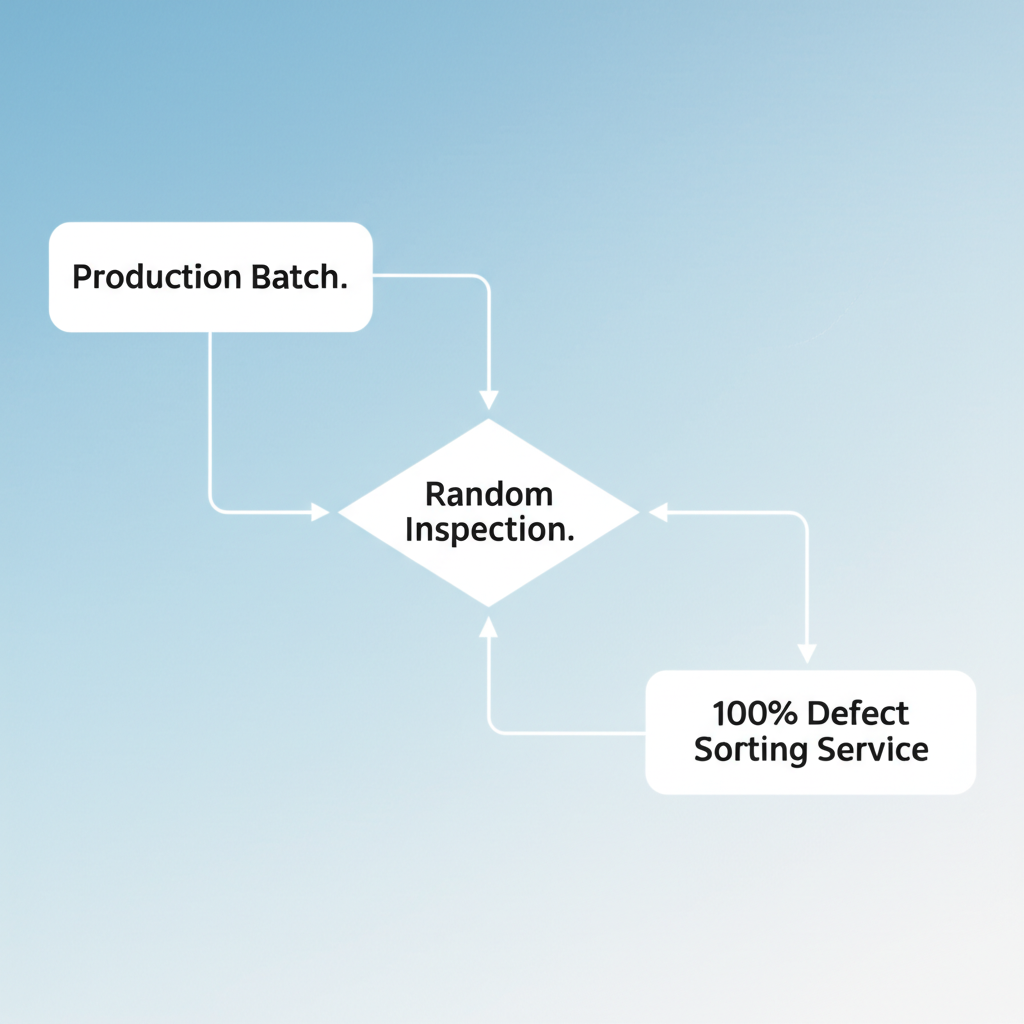
A defect sorting service, often abbreviated as DSS, is a meticulous, hands-on quality control intervention designed to solve a specific problem within a production batch. Unlike standard random inspections that sample a small portion of an order, a defect sorting service involves a 100% check of every single item. The primary goal is straightforward: to physically segregate conforming products from non-conforming ones based on a predefined list of known issues. This process is typically performed at the factory before the goods are shipped, acting as a crucial final defense against sending faulty products to market.
This service is not a general-purpose inspection; it is highly focused. The scope is usually limited to identifying a few specific and already-known problems, such as cosmetic flaws, functional failures, or packing imperfections. For example, if a previous inspection revealed that 15% of a batch of electronic devices had a faulty power button, the sorting service would focus exclusively on testing that button on every unit. This targeted approach makes the process efficient and ensures that the most critical issues are addressed without delay.
The service plays a vital role in the broader quality control timeline, especially for products with high aesthetic requirements or critical safety functions. According to quality control experts at AIM Control Group, this can be triggered by a critical defect that could be dangerous to a consumer or any general defect that is unacceptable to the buyer. By isolating the defective items, companies can quantify the exact defect rate, make informed decisions about reworking or discarding products, and salvage the acceptable portion of the shipment, thereby minimizing financial loss.
Key Scenarios: When Do You Need a Defect Sorting Service?
Engaging a defect sorting service is a significant step, usually taken when standard quality control measures are insufficient or have revealed a serious problem. Understanding the specific triggers can help businesses make timely and effective decisions to protect their investment and reputation. Here are the most common scenarios that necessitate a 100% defect sorting inspection.
- After a Failed Inspection: This is the most frequent reason for ordering a defect sorting service. As highlighted by AQI Service, if a standard pre-shipment inspection (PSI) fails due to an unacceptably high number of defects, a full sorting is required to separate the good products from the bad before shipment. Instead of simply re-inspecting another random sample, the sorting service addresses the entire batch to ensure only compliant products are shipped.
- When a Specific, Widespread Defect Is Known: If the factory or a previous inspection identifies a recurring issue—such as incorrect stitching on a batch of garments or a color mismatch in a shipment of toys—a sorting service is the only way to check every piece for that specific flaw. This allows a company to understand the full scope of the problem and prevent any affected units from reaching customers.
- For High-Value or Aesthetically Critical Products: For luxury goods, electronics, or products where cosmetic appearance is paramount, even minor defects can lead to returns and customer dissatisfaction. In these cases, a 100% check is often used proactively to ensure every item is flawless. There is zero tolerance for defects, making a full sorting inspection a necessary part of the quality assurance process.
- To Address Critical Safety Concerns: If a potential defect poses a safety risk to the end-user (e.g., a sharp edge on a toy or a faulty wire in an appliance), a 100% inspection is non-negotiable. This ensures that no dangerous products enter the market, preventing potential injuries, liability issues, and catastrophic brand damage.
- To Salvage an Urgent Shipment: Sometimes, a business urgently needs to ship products, but a known quality issue stands in the way. A defect sorting service can quickly separate the acceptable units, allowing the good portion of the order to be shipped immediately while the defective items are held back for rework or negotiation with the supplier.
The Defect Sorting Process: A Step-by-Step Overview
The defect sorting process is a systematic and disciplined operation designed for maximum efficiency and accuracy. While the specifics can vary, the workflow generally follows several key stages to ensure that every product is checked against clear standards and the results are properly documented. Understanding this process helps manage expectations and ensures a smooth collaboration with the quality control partner.
- Defining the Scope and Criteria: The process begins with clear communication between the client and the inspection company. The client must provide a precise list of the defects to be checked. This includes detailed descriptions, photos, and approved samples to establish a clear boundary between an acceptable and a defective product. As noted by experts at QualityInspection.org, having a fixed, written standard is crucial for the inspectors to follow consistently. This clarity is the foundation for an effective sorting job.
- On-Site Inspection and 100% Check: A team of inspectors travels to the factory where the products are located. They set up a dedicated workspace and begin the meticulous process of checking every single item in the batch. Each product is unboxed, examined for the specified defects, and then placed into a designated area based on its condition. This labor-intensive step requires intense focus and adherence to the established criteria.
- Segregation and Counting: As products are inspected, they are physically separated into distinct groups: conforming (acceptable), non-conforming (defective), and sometimes a third category for items that can be reworked. The inspectors maintain a precise count for each category. This physical separation is critical to prevent defective units from being accidentally repacked and shipped with the good products.
- Reporting and Documentation: Throughout the process, the inspection team documents their findings. At the conclusion of the service, a detailed report is compiled and sent to the client. This report includes the total number of units inspected, the exact quantities of good and defective products, and photographic evidence of the defects found. This documentation provides the client with the objective data needed to negotiate with the supplier, authorize rework, or approve the shipment of the conforming goods.
For businesses sourcing from regions like China, having a trusted partner on the ground is invaluable. Services that offer comprehensive factory audits and meticulous pre-shipment inspections, like those provided by China Quality Inspection, can manage this entire process, acting as your eyes in the factory to ensure products meet exact specifications.
Benefits of Implementing a Defect Sorting Service
While often seen as a last resort after a quality issue arises, a defect sorting service offers significant business advantages that go beyond simply fixing a problem. By investing in a 100% check, companies can protect their finances, reputation, and customer relationships in several powerful ways.
Protect Your Brand Reputation
In today’s market, customer trust is paramount. A single bad batch of products reaching consumers can lead to negative reviews, social media backlash, and long-term damage to your brand’s image. A defect sorting service acts as a final firewall, ensuring that only products meeting your quality standards leave the factory. This proactive step demonstrates a commitment to quality that builds and maintains customer loyalty.
Reduce Financial Losses from Returns and Recalls
The cost of managing defective products after they’ve been shipped is exponentially higher than fixing them at the source. Shipping costs, import duties, customer service hours, and reverse logistics for returns can quickly erode profit margins. A sorting service allows you to handle defects at the factory, where they can be reworked or replaced at a much lower cost, preventing these downstream financial drains and turning a potential total loss into a salvageable shipment.
Ensure Customer Satisfaction and Loyalty
Nothing disappoints a customer more than receiving a faulty product. By implementing a defect sorting service, you significantly reduce the likelihood of this happening. Delivering a consistently high-quality product enhances the customer experience, leading to higher satisfaction, repeat purchases, and positive word-of-mouth referrals, which are invaluable for sustainable growth.
Salvage Good Products and Secure Your Supply Chain
When a batch fails inspection, it doesn’t always mean the entire order is unusable. As explained by Topwin Inspection, the service helps you know the real percentage of defects affecting your products. This allows you to salvage the good units and ship them on time, maintaining your supply chain momentum. It provides the clear data needed to hold your supplier accountable and work with them to improve processes for future orders, strengthening your overall production quality.
Making the Right Quality Control Decision
Ultimately, a defect sorting service is a powerful, reactive tool in a company’s quality control arsenal. While the ideal scenario is to have manufacturing processes that produce zero defects, reality often requires a practical solution when problems arise. This service provides a critical safety net, transforming a potentially disastrous situation—like a failed inspection on an urgent order—into a manageable one.
The decision to use a 100% inspection is not just about catching flaws; it’s a strategic business decision. It’s about protecting your brand’s promise to its customers, mitigating financial risk, and maintaining the integrity of your supply chain. By understanding when and how to deploy this service, you can effectively navigate manufacturing challenges and ensure that your final product consistently meets the high standards your customers expect and deserve.

Frequently Asked Questions
1. Is a defect check necessary?
Yes, a defect check is essential, particularly for new product runs or when working with a new supplier. Identifying defects early, before products are shipped or integrated into larger assemblies, prevents costly complications, customer returns, and potential damage to your brand’s reputation. It is a fundamental part of ensuring product quality and customer satisfaction.
2. What are the three types of defects?
In quality control, defects are typically categorized into three levels of severity. Minor defects are usually small, cosmetic imperfections that do not affect the product’s function or safety. Major defects are more significant issues that can impact the product’s function, performance, or appearance, making it likely to be rejected by a customer. Critical defects are the most severe, as they pose a safety hazard to the user or violate mandatory regulations.
3. What is the purpose of a defect report?
A defect report is a formal document created during an inspection that details any flaws or issues found in a product. Its primary purpose is to provide clear, actionable information to the manufacturer or development team. The report typically describes the defect, its location, its severity, and includes photographic evidence, enabling the supplier to understand the problem, perform a root cause analysis, and implement corrective actions to fix the issue and prevent it from recurring.

