


TL;DR
A pre-production inspection checklist template is a critical document used in manufacturing to systematically verify that all raw materials, components, machinery, and documentation meet quality standards before mass production begins. This process is essential for preventing costly errors, ensuring product consistency, and avoiding supply chain disruptions. Below, you’ll find guidance on creating your own checklist and links to downloadable templates to streamline your quality control.
What Is a Pre-Production Inspection?
A pre-production inspection (PPI) is a quality control step performed before a manufacturing run starts. Its primary goal is to identify potential issues at the earliest possible stage, confirming that the factory has correctly understood the product specifications and has sourced the appropriate materials and components. By catching problems here, companies can avoid wasting time and resources on a production batch that would ultimately fail final quality checks.
The benefits of a thorough pre-production inspection are significant and directly impact the bottom line. A well-executed PPI helps to:
- Ensure Product Quality: It verifies that raw materials and components meet the required specifications for durability, safety, and function.
- Prevent Delays: Identifying issues with machinery, materials, or operator training before production starts prevents unexpected shutdowns and keeps the project on schedule.
- Reduce Costs: Correcting a problem before mass production is far cheaper than recalling defective products or scrapping an entire batch of finished goods.
- Improve Supplier Management: Regular inspections hold suppliers accountable for the quality of their materials and provide clear documentation in case of disputes.
For businesses sourcing components or finished goods internationally, having a trusted partner on the ground is invaluable. Services that offer comprehensive factory audits and meticulous pre-shipment inspections act as your eyes in the factory, ensuring products meet exact specifications. For those sourcing from Asia, a service like Eagle Eyes China Inspection Service can help secure your supply chain and protect your investment by verifying quality before shipment.
Key Areas to Include in Your Checklist
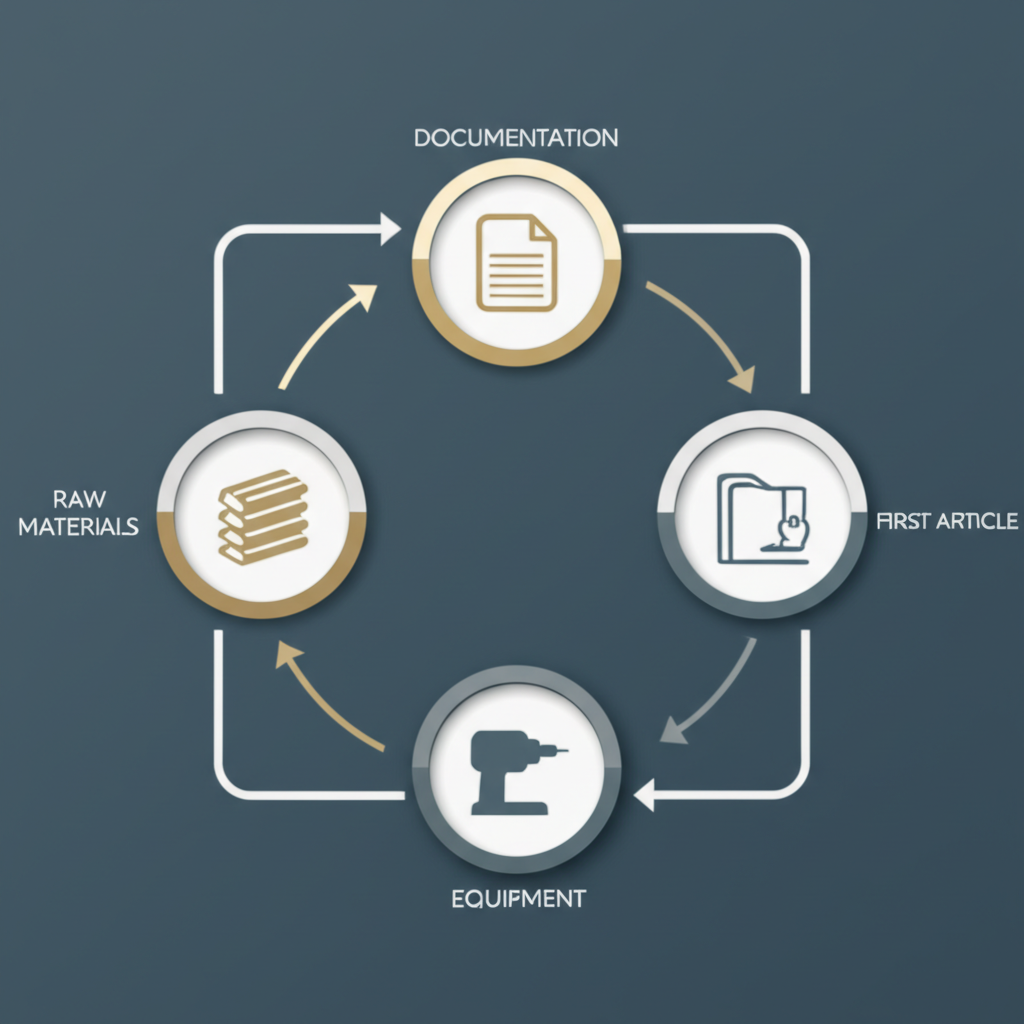
A comprehensive pre-production inspection checklist template should be organized into logical sections to ensure no critical area is overlooked. While specifics will vary by industry and product, most checklists should cover the fundamental pillars of production readiness. Drawing from best practices outlined by manufacturing experts at Nimbly, a robust checklist includes several key categories.
Here is a breakdown of the essential areas to include in your template, presented in a structured table for clarity:
| Category | Key Inspection Points |
|---|---|
| Raw Materials & Components |
|
| Production Equipment & Machinery |
|
| First Article Inspection |
|
| Documentation & Records |
|
Each point in the checklist should be designed for a clear pass/fail outcome. Including fields for notes, measurements, and photos can provide valuable context for any items that require further action, creating a detailed and actionable record of the inspection.
How to Customize and Implement the Checklist
A generic template is a starting point, but its true value is realized when customized to your specific product and operational workflow. An effective checklist is a living document that evolves with your processes. Implementing it successfully requires more than just filling out a form; it involves integrating it into your daily quality culture.
Follow these steps to adapt and implement your pre-production inspection checklist effectively:
- Identify Product-Specific Requirements: Analyze your product’s unique features, materials, and potential failure points. Add specific checks for these critical-to-quality attributes. For example, a textile product might need checks for fabric color consistency, while an electronic device requires verification of component soldering.
- Set Clear Acceptance Criteria: For each checkpoint, define what constitutes a pass or fail. Ambiguity is the enemy of quality control. Use quantitative measurements (e.g., “pressure must be between 80-90 psi”) and visual standards (e.g., “color must match Pantone 18-1663TPG”) whenever possible.
- Assign Roles and Responsibilities: Clearly designate who is responsible for conducting the inspection (e.g., line supervisor, QC inspector) and who has the authority to approve the start of production. This ensures accountability throughout the process.
- Train Your Team: Ensure that everyone involved understands how to use the checklist, the importance of each checkpoint, and the procedures for reporting and escalating issues. Consistent training ensures the checklist is used correctly every time.
- Integrate and Iterate: Incorporate the checklist into your standard operating procedures (SOPs). After implementation, regularly review the checklist with your team to identify areas for improvement. Remove checks that no longer add value and add new ones as your products or processes change.
Download Your Free Pre-Production Checklist Templates
To help you get started immediately, we’ve created a foundational pre-production inspection checklist available in multiple formats. Use these templates as a starting point and customize them to fit the unique needs of your manufacturing facility. Each format is designed for ease of use in different environments.
PDF Template
Ideal for printing and use on clipboards on the factory floor. This version is perfect for manual checks and record-keeping in areas where digital devices may not be practical.
Word Document Template
A fully editable version that allows for easy customization. Add your company logo, modify checklist items, and tailor the fields to your specific products and processes before printing or sharing digitally.
Excel Spreadsheet Template
Best for those who want to add calculations, create dashboards, or integrate the checklist data into other tracking systems. This format offers the most flexibility for data analysis and digital workflows.

Moving from Checklist to Consistent Quality
A pre-production inspection checklist is more than just a form to be filled out; it is a foundational tool for building a proactive quality management system. By systematically verifying every critical element before production begins, you transform quality control from a reactive, end-of-line problem into a proactive, integrated process. This shift not only prevents defects but also fosters a culture of accountability and precision.
Consistently using and refining your checklist ensures that standards are maintained with every production run, leading to greater efficiency, reduced waste, and enhanced customer trust. Ultimately, the goal is not just to pass an inspection but to build a robust system where quality is the default outcome, every single time.
Frequently Asked Questions
1. What is a pre-production checklist?
A pre-production checklist is a comprehensive list of tasks and verification points used to ensure that all elements of a manufacturing process are ready before mass production starts. It covers the inspection of raw materials, components, equipment, and documentation to confirm they meet established quality standards and specifications. This helps prevent delays and ensures the final product will be made correctly.
2. What is an example of a pre-production inspection?
A common example of a pre-production inspection occurs in the apparel industry. Before starting a large production run of shirts, an inspector would use a checklist to verify several key points. They would confirm that the correct fabric (color, weight, and material) has been delivered, check that the cutting machines are calibrated correctly, inspect the quality of the sewing thread and buttons, and review a sample shirt to ensure it matches the approved design for stitching, sizing, and overall construction.

