


TL;DR
A Pre-Production Inspection (PPI) is a critical quality control step that verifies tooling, machinery, and raw materials are ready and conform to specifications before mass production begins. This proactive assessment identifies and mitigates potential quality risks at the earliest stage. By confirming equipment calibration, material quality, and supplier readiness, a PPI is essential for preventing costly manufacturing defects and significant production delays.
Understanding the Pre-Production Inspection (PPI)
A Pre-Production Inspection, often abbreviated as PPI, is a formal quality control process conducted at the factory before manufacturing is initiated. It serves as the first line of defense in a comprehensive quality assurance strategy. The primary purpose of a PPI is to systematically assess and verify that a supplier has all the necessary components, materials, and production setups correctly in place to meet the client’s specifications. This inspection is not merely a formality; it is a detailed evaluation designed to identify potential risks, misunderstandings, or non-conformities that could otherwise derail production.
Typically, a PPI takes place after a vendor has been selected and has received the raw materials and components for the order, but before mass production has commenced. This timing allows for an evaluation of raw materials and components against the approved or “golden” sample before they are used in mass production. This timing is strategic, as it is late enough to assess actual production readiness but early enough to implement corrective actions without causing major financial losses or timeline disruptions. According to quality control experts, this proactive approach helps prevent expensive mistakes and ensures a smoother production flow from the outset. ECQA notes that this step helps maintain product consistency and reliability from the start.
The core objective of a PPI is risk mitigation. By thoroughly reviewing the production plan, machinery, materials, and the factory’s own quality control processes, importers can confirm that their specifications are fully understood and achievable. This preemptive check is crucial for preventing common issues such as the use of substandard materials, incorrect production setups, or a general lack of preparedness, all of which can lead to defects, delays, and budget overruns.
The Critical Role of PPI in Verifying Tooling and Machinery
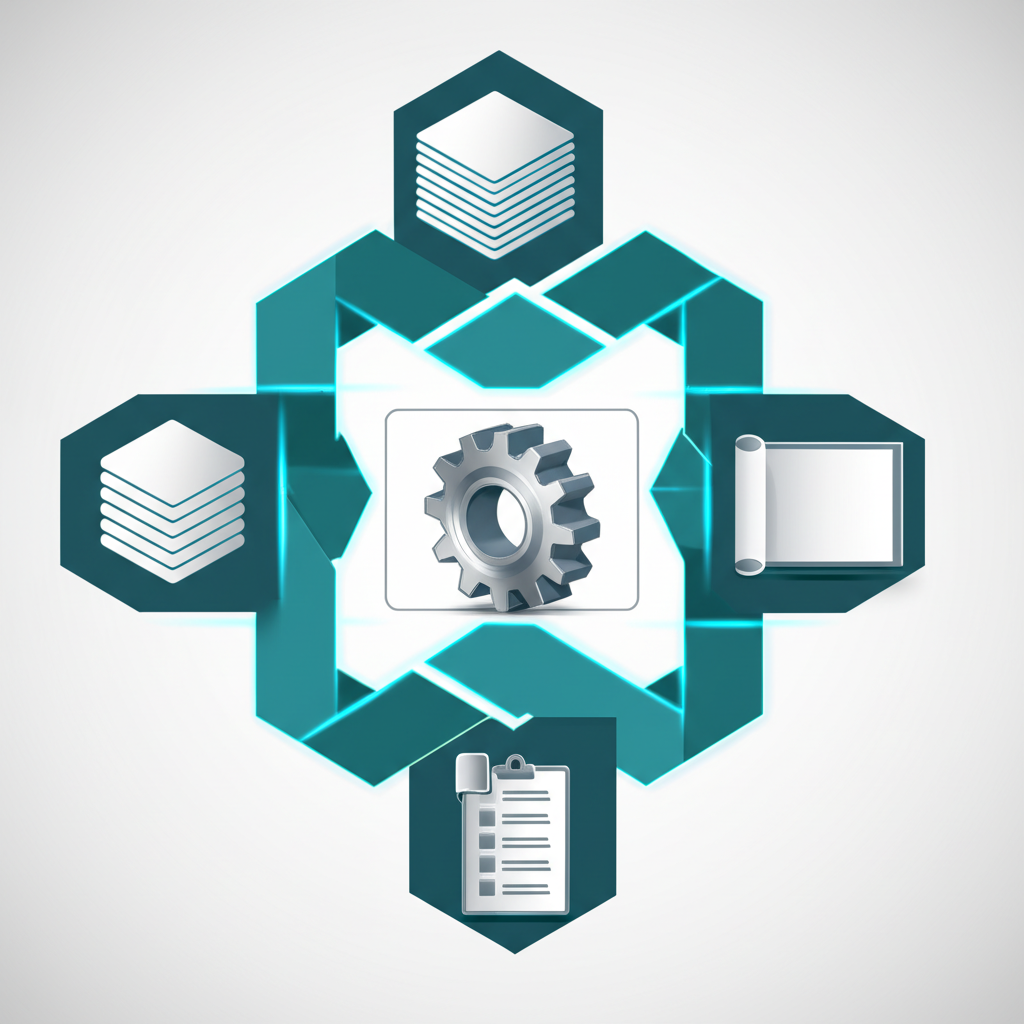
A central and non-negotiable function of a Pre-Production Inspection is the verification of tooling and machinery readiness. The quality and consistency of a final product are directly dependent on the equipment used to create it. A PPI addresses this by ensuring that all machinery, molds, jigs, and other tools are properly calibrated, maintained, and capable of meeting the required specifications for the entire production run.
During the inspection, auditors conduct a detailed assessment of the production line. This involves more than a cursory glance; it is a hands-on evaluation of the equipment’s condition and setup. For instance, in plastics manufacturing, inspectors will check the condition of injection molds for wear and tear that could cause flashing or imperfections. In textiles, they verify that cutting machines are precise and sewing machines are set to the correct stitch length and tension. This audit confirms that the factory’s equipment is not only functional but also optimized for the specific product being manufactured.
A comprehensive PPI checklist for tooling and machinery typically includes the following verification points:
- Machine Calibration: Ensuring all equipment, especially measuring and testing tools, is accurately calibrated to national or international standards to guarantee precision.
- Tooling Condition: Assessing molds, dies, and fixtures for any signs of damage, wear, or defects that could be transferred to the product.
- Production Line Setup: Verifying that the assembly line is configured correctly and efficiently for the specific product, minimizing the risk of errors.
- Equipment Maintenance Records: Reviewing logs to confirm that machinery has been regularly and properly maintained, reducing the likelihood of unexpected breakdowns.
- Operator Competence: Observing that the workers assigned to the machinery are adequately trained and understand the production requirements.
Ultimately, this focus on tooling and machinery readiness transforms the PPI from a simple material check into a robust assessment of the manufacturer’s capability. As detailed in a guide to pre-production inspections, ensuring the production setup is correct is a key aspect of the process. By confirming that the foundational elements of production are sound, businesses can prevent systemic defects that are far more costly and difficult to correct than isolated material flaws.
Key Components of a Comprehensive PPI Checklist
A successful Pre-Production Inspection relies on a systematic and detailed checklist that covers every critical aspect of production readiness. While checklists can be customized for specific products and industries, they generally focus on three core areas: raw materials and components, equipment and processes, and the factory’s quality management system. This structured approach ensures that no critical element is overlooked before production is scaled up.
Raw Material and Component Verification
This is the foundational check to ensure the inputs for production are correct. An inspector will verify that the materials delivered to the factory match the specifications outlined in the purchase order and technical files. This includes:
- Quantity Check: Confirming that sufficient materials and components are on hand to complete the order without delays.
- Quality Assessment: Visually inspecting materials for defects, damage, or inconsistencies. This may also involve comparing them to approved material samples.
- Specification Compliance: Verifying that materials meet all technical requirements, such as color (matching Pantone codes), weight, dimensions, and material composition. For complex products, this may involve reviewing lab test reports provided by the material supplier.
Tooling, Equipment, and Production Line Audit
As discussed, this component focuses on the physical manufacturing setup. A detailed PPI assessment involves a thorough audit of the factory’s hardware and environment. Key inspection points include:
- Machinery Readiness: Evaluating the condition and calibration of all production machinery, tools, molds, and jigs.
- Testing Equipment: Checking that the factory’s in-house measuring and testing equipment is functional and properly calibrated for quality control checks during production.
- Work Environment: Assessing factors like lighting and cleanliness in the production area, as these can impact product quality and worker safety.
Factory Systems and Production Plan Review
This part of the inspection evaluates the factory’s preparedness and internal processes. It confirms that the supplier not only has the right materials and machines but also understands the project requirements and has a viable plan to execute it. This review covers:
- Understanding of Specifications: Interviewing the production manager to ensure they have a clear understanding of the product’s quality standards and critical checkpoints.
- Internal QC Process: Reviewing the factory’s own quality control procedures that will be implemented during production to catch defects.
- Production Schedule: Assessing the production timeline to identify any potential bottlenecks or unrealistic deadlines that could lead to rushed work and quality compromises.
For businesses sourcing from overseas, navigating these checks can be complex. Engaging a professional service can provide the necessary on-the-ground expertise. For example, firms specializing in quality control in China offer comprehensive services ranging from factory audits to pre-shipment inspections, acting as a crucial link to ensure specifications are met.
The Strategic Benefits of a Proactive PPI
Conducting a Pre-Production Inspection is not an expense but an investment in quality and reliability that delivers significant strategic returns. By adopting this proactive approach, businesses can move beyond reactive problem-solving and build more resilient, predictable supply chains. The primary benefits extend far beyond simply catching a few defective components; they impact cost, timelines, and brand reputation.
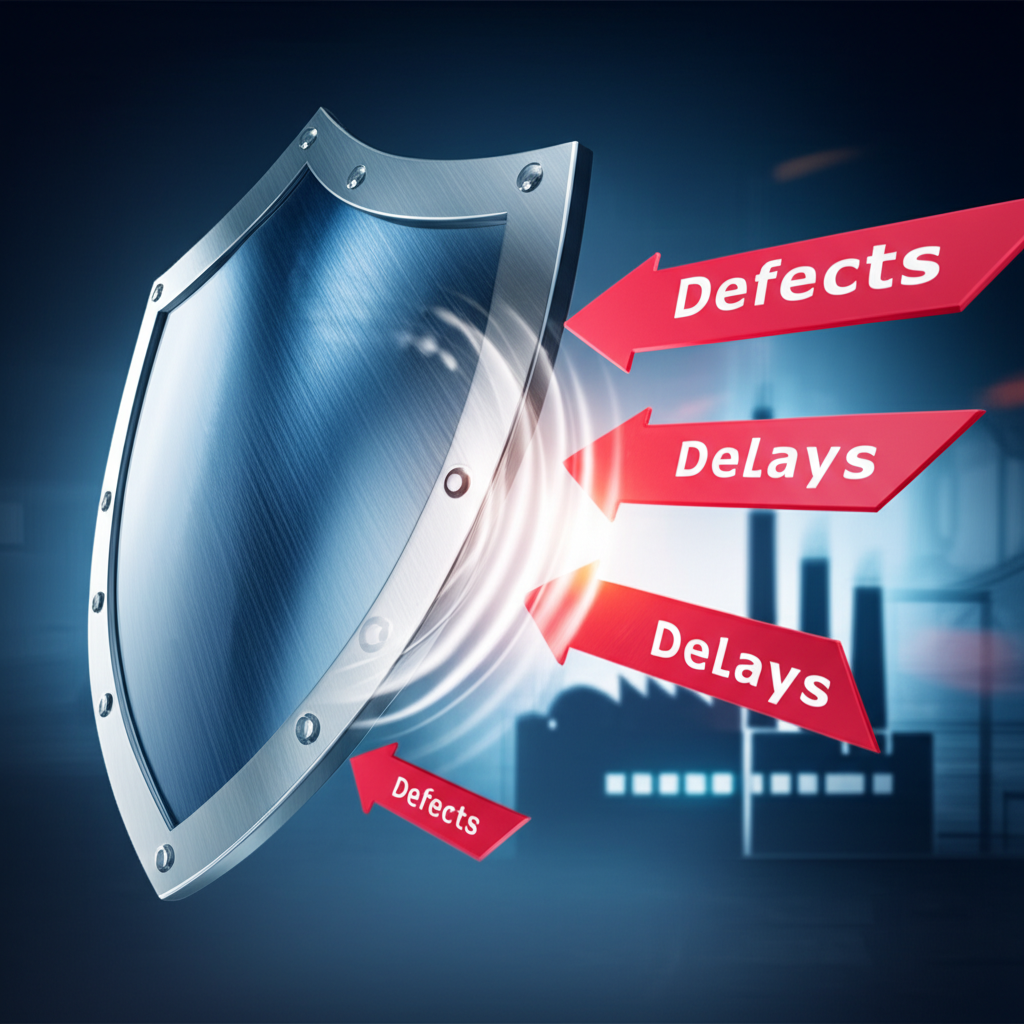
One of the most immediate benefits is the prevention of widespread defects. Identifying a non-conforming raw material or an incorrectly calibrated machine before thousands of units are produced saves immense costs associated with wasted materials, rework, and sorting. A small issue caught during a PPI can prevent a catastrophic quality failure that might only be discovered during a final inspection, or worse, by the end customer. This early detection directly protects the bottom line and preserves valuable resources.
Furthermore, a PPI is instrumental in avoiding production delays. The inspection verifies that all necessary materials are available and that the factory is fully prepared to begin manufacturing on schedule. This mitigates the risk of unforeseen disruptions, such as discovering a shortage of a critical component or finding that essential machinery is down for maintenance. By ensuring production starts smoothly and on time, businesses can maintain their delivery schedules, meet market demand, and uphold their commitments to customers, which is crucial in today’s fast-paced markets.
Finally, investing in a PPI helps protect and enhance brand reputation. Consistently delivering high-quality products that meet customer expectations builds trust and loyalty. A PPI is a foundational step in achieving this consistency. It demonstrates a commitment to quality that permeates the entire manufacturing process. By minimizing the risk of shipping defective goods, a PPI helps prevent negative reviews, costly product recalls, and the long-term brand damage that can result from a single significant quality issue.
Frequently Asked Questions
1. What is PPI pre-production inspection?
A Pre-Production Inspection (PPI) is a quality control inspection that takes place before the manufacturing process begins. Its purpose is to assess the quality and quantity of raw materials and components, verify the readiness of tooling and machinery, and ensure the factory is prepared to meet the product specifications and quality standards required for the order.
2. What is PPI in quality assurance?
In quality assurance, a PPI is a proactive measure used to identify and mitigate risks at the very start of the production cycle. It is a key part of a comprehensive quality management system that aims to prevent defects rather than just detect them later. It ensures that the foundation for a quality production run—materials, equipment, and processes—is solid before manufacturing scales up.
3. What inspection method should be used to ensure a process is correct before production starts?
The most appropriate inspection method to ensure a process is correct before production starts is the Pre-Production Inspection (PPI). It is specifically designed for this purpose, focusing on verifying inputs like raw materials and components, as well as assessing the readiness of the production setup to ensure it conforms to all specifications before mass production is launched.
4. Which type of inspection is performed during production to prevent defects?
An inspection performed during production to prevent defects is called a During Production Inspection (DUPRO) or an In-Line Inspection. This type of inspection occurs when a portion of the order is complete, allowing inspectors to identify any quality issues as they arise on the production line and correct them before the entire batch is affected, mitigating the number of defective units produced.

